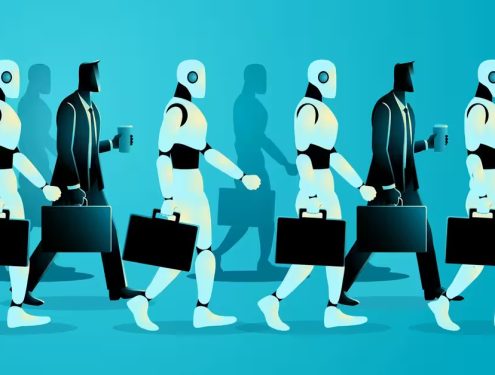
Opaque algorithms that can’t be questioned are creating insecurity in the gig economy

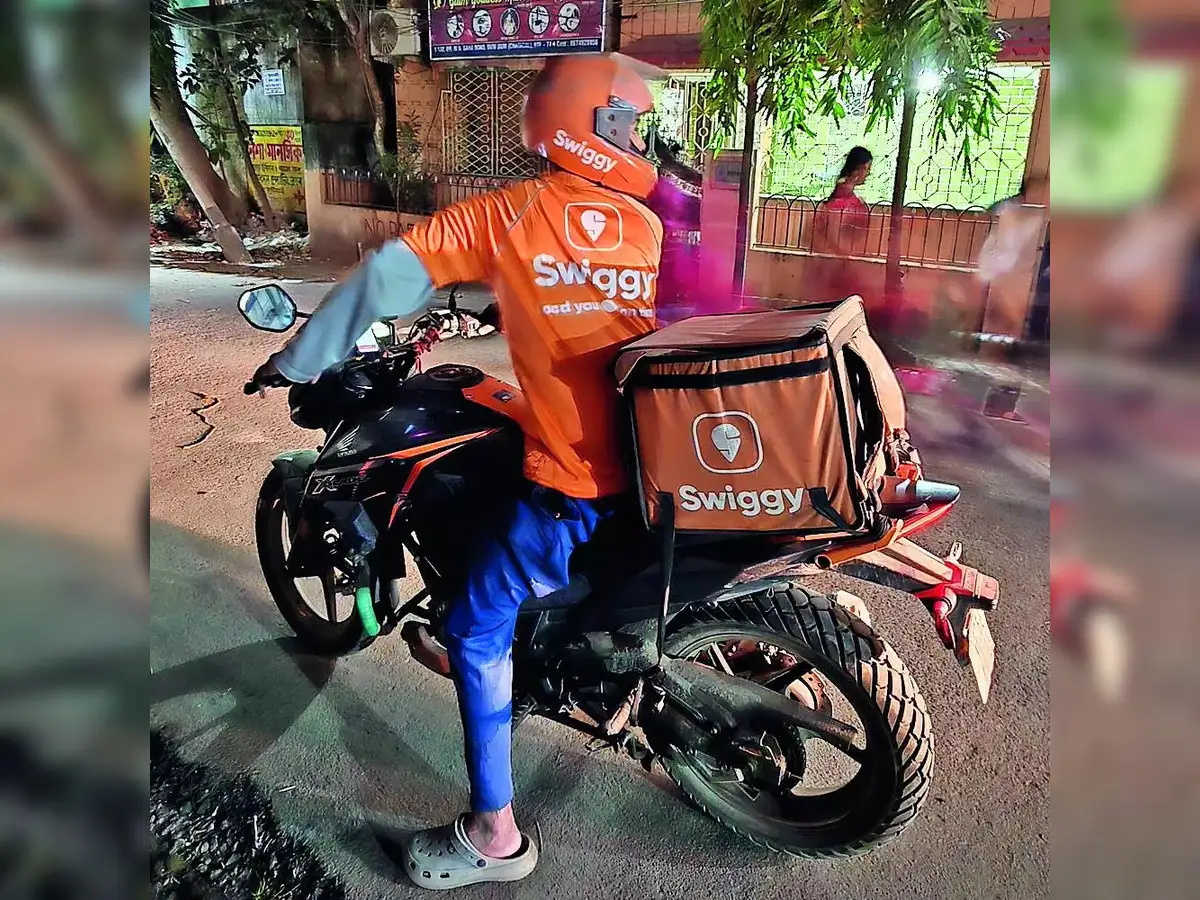

They had been subjected to something of a rug-pull by taxi companies, which had initially offered large incentives to bring more drivers to platforms, and assisted drivers in taking loans to buy cars – only to change incentives when they decided they need to reduce their VC-backed spending and focus on unit economics. So, why is this relevant to the current face-off between Zomato and its delivery workers? Because, in principle, the issues remain the same.
Eternal, Zomato’s parent company, has aggressively moved towards profitability over the past 2 yrs by making multiple micro-adjustments that allow it to improve contribution margins. When these platforms were small, many decisions could still be made directly by managers, or with policy tweaks. Once marketplaces scaled to lakhs of workers, allocation was handed over to algorithms that decide who gets work and when, how much they’re paid, and how behaviour is rewarded or penalised, based on availability, ratings, acceptance rates, demand and past history. What begins as optimisation, quietly becomes a mechanism for shaping behaviour.
Former NITI Aayog CEO Amitabh Kant’s statement that gig jobs are set to grow from 7.7 mn to 23.5 mn by 2030, and calling the gig economy among India’s largest job-creation engines, is misleading. Zomato founder Deepinder Goyal’s data that, in 2025, the average delivery partner on Zomato worked ’38 days in the year and 7 hrs per working day’, and that ‘only 2.3% of delivery partners worked more than 250 days a year’, should tell us that this shouldn’t be equated with employment.
Gig economy workers have highly volatile earnings and no minimum wage. This is a feature of the business. It was designed to benefit from a regulatory arbitrage of workers neither protected by employment laws nor empowered with entrepreneurial control.
Platforms like Zomato can exercise granular control over multiple supply-side levers: hours someone works, distance they travel, how quickly they deliver, how payouts vary by rating, demand, acceptance behaviour, and how much workers expect to be paid before accepting a job. Amount of data platforms collect about a delivery, including whether the consumer has added a tip or not, can allow them to ascertain ‘supplier surplus’ – how much less can they get away by paying the delivery worker. This is the inversion of consumer surplus. And unlike classical economics, data today allows this to be estimated practically, rather than theoretically.
Gig platforms are two-sided marketplaces, and can use dark patterns on both sides. Zepto, for example, was found to charge consumers with iPhones higher for the same product than those using Androids. No one except platforms know how they use data to find a demand-supply equilibrium, and determine pricing and payout in each case.
Opacity benefits platforms. Through personalised penalties and benefits, they can shape behaviour of each delivery person. Blinkit may not display a 10-min timer for a worker. But does it still impact the payout?
When delivery workers ask you to give a good rating, they know it either improves their payout or chances of getting the next gig, or it prevents a penalty. There is public visibility and backlash risk on the consumer side. But the supply side remains largely invisible, and at the platform’s mercy.
In theory, competition should resolve these issues. In practice, network effects are already in play, and platforms clearly have substantial leverage. Aggregation platforms are built to increase market fragmentation, and aggregate it in a manner no participant has sufficient negotiating power over.
What Zomato is positioning as ‘flexibility’ for gig workers is probably being seen by them as uncertainty. In an economy with paucity of jobs, where gig work is being positioned as ’employment’, maybe all they want is actual employment and some amount of certainty – that they get paid a standard amount for the work that they do. This is not to say that there is exploitation. But there certainly exists room for exploitation.
If consumer protection exists for one side of the market, what do we have for gig workers? A nationwide protest after labour codes providing gig economy workers protections were announced should make us look more closely at what workarounds exist. Is the fact that the average worker works 38 days a year their choice, or of the algorithm? The core demand for minimum wages and social security is a response to insecurity created by opaque algorithms that can’t be questioned or explained.
This is where the state also needs to step in. As algorithms become embedded across credit, insurance, employment and marketplaces, need for algorithmic accountability is no longer theoretical. Independent audits, and giving people a right to an explanation, will provide safeguards against discrimination at scale.
RBI missed a trick with its August 2025 FREE-AI committee report, in which it paid only lip service to algorithmic discrimination issues. The gig economy only exposes the problem created by regulatory inaction.