India’s Work-From-Home Debate: PM Modi Urges Fuel Saving Measures in 2026

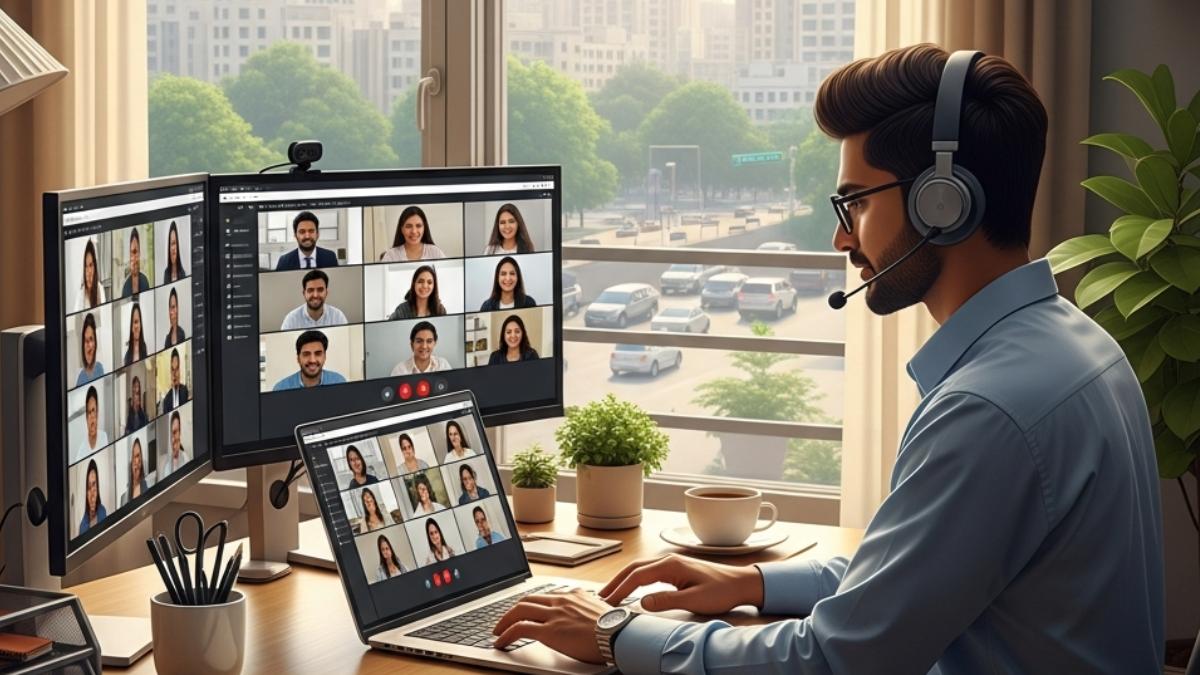

Prime Minister Narendra Modi’s recent appeal to reduce fuel consumption by considering work-from-home arrangements has reignited India’s long-running debate over hybrid work culture, remote jobs and whether corporates are ready to fully trust employees outside office walls again.
India’s work-from-home debate has returned to the spotlight after Prime Minister Narendra Modi urged citizens and businesses to adopt fuel-saving measures amid the global energy crisis linked to tensions in West Asia.
During a public address, Modi suggested that organisations could once again consider remote working arrangements wherever possible to reduce fuel usage and ease economic pressure caused by rising oil prices.
The remarks immediately sparked discussions across India’s corporate sector, especially among IT companies and startups that had shifted to hybrid work models after the Covid-19 pandemic.
IT industry says hybrid systems already exist
Industry body Nasscom said India’s technology sector already operates on well-established hybrid work models, with companies balancing office and remote work depending on project requirements and client needs.
Several companies indicated they are open to allowing more flexibility if the geopolitical situation worsens further.
Experts noted that most large Indian firms already have the digital infrastructure needed for remote work, including cloud systems, collaboration tools and cybersecurity frameworks.
Why companies are still hesitant
While technology is no longer the main challenge, many experts believe the bigger issue is corporate mindset and managerial culture.
Several HR leaders said many organisations still associate productivity with physical office presence, even though remote work proved effective during the pandemic years.
Industries like IT, consulting, finance and digital services can function remotely with relative ease, but sectors such as manufacturing, healthcare, logistics and hospitality still require physical presence for daily operations.
Startups and creative teams have also raised concerns that brainstorming, collaboration and mentoring become harder in fully remote environments.
Employee unions push for wider WFH
The Forum For IT Employees and other employee groups welcomed Modi’s remarks and urged companies to expand work-from-home options wherever possible.
Employee unions argued that remote work can reduce traffic congestion, lower fuel consumption, improve work-life balance and support national economic interests during periods of energy uncertainty.
Some organisations also pointed out that India’s IT sector had successfully maintained productivity during the pandemic while operating remotely at scale.
Experts believe India is unlikely to return to a completely remote economy like during the Covid-19 lockdowns.
Instead, many expect a balanced hybrid system to become the long-term norm, where employees split time between home and office depending on their roles and organisational needs.
Companies are also increasingly viewing workplace flexibility as an important factor in attracting and retaining younger talent, especially Gen Z professionals who prioritise work-life balance and remote work opportunities.
Bigger questions remain for Indian workplaces
The renewed discussion has reopened larger questions about trust, productivity and the future of office culture in India.
Analysts say companies that successfully adapt to flexible work models while maintaining collaboration and employee engagement may gain a long-term advantage in talent retention and operational resilience.
For now, India’s corporate sector appears cautious but open to flexibility, especially as rising oil prices and global tensions continue to pressure businesses and the economy.
Published: 12 May 2026, 10:53 am IST
Disclaimer: Kindly avoid objectionable, derogatory, unlawful and lewd comments, while responding to reports. Such comments are punishable under cyber laws. Please keep away from personal attacks. The opinions expressed here are the personal opinions of readers and not that of Mathrubhumi.