
For Delhi’s delivery riders, every downpour means more orders, more income and more danger

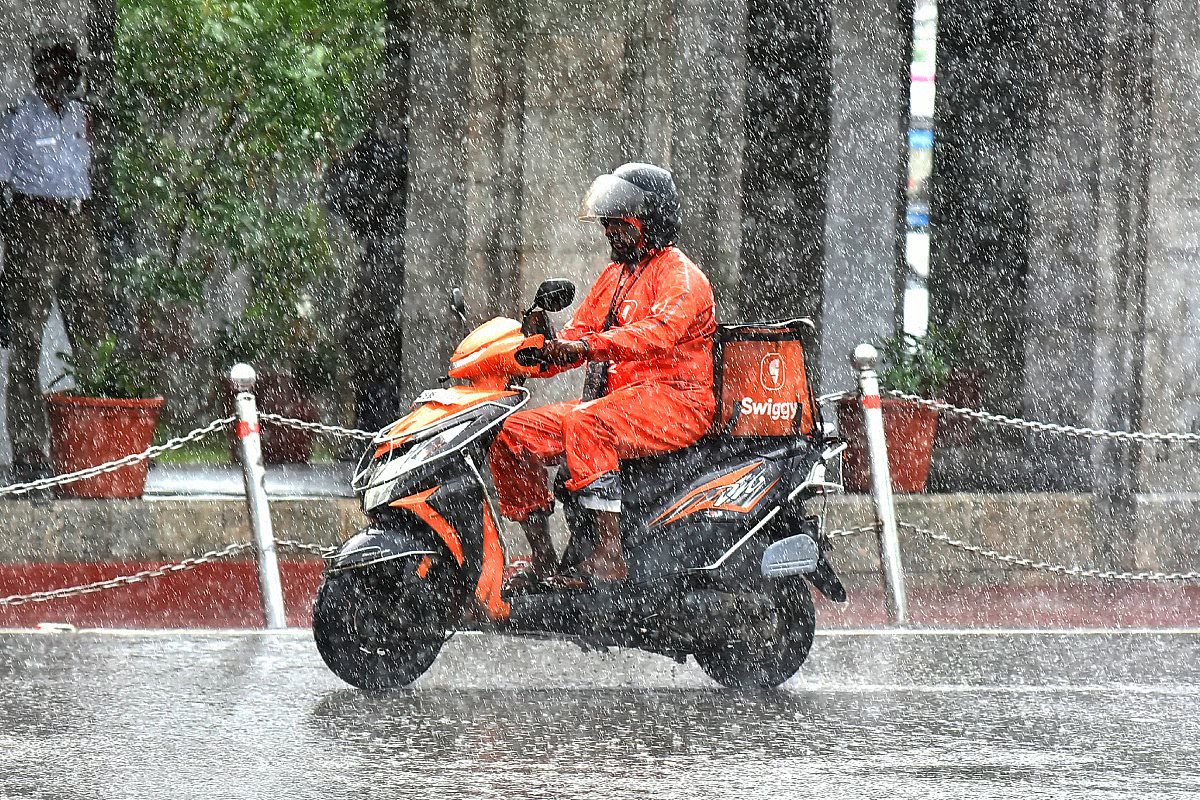

According to a Delhi-based leader of a gig workers’ union, who refused to be named, rain incentives provide short-term financial benefits but do not fully compensate riders for the long-term costs and risks associated with working in hazardous weather. “Rain incentives are certainly liked by workers because they increase daily earnings. But they should not be viewed as compensation for the risks riders take every day during monsoon,” he stresses.
“Delivery partners continue to bear the cost of damaged vehicles, fuel, lost workdays after accidents and health issues arising from prolonged exposure to rain. Platforms benefit from increased demand during monsoon, but most of the operational risks are still borne by workers,” he complains. He further calls for weather-risk allowances, faster accident claim mechanisms and stronger workplace protections for the riders.
“Flexible working hours have transformed employment for many people, but flexibility should not come at the cost of safety,” another member of the gig workers’ union notes.
“Extreme weather events are becoming more frequent. Delivery platforms need to recognise weather as an occupational risk and introduce safeguards that protect workers while ensuring they do not lose income because of circumstances beyond their control,” he said.
The incentive model, however, reflects the underlying economics of quick commerce. Rain often keeps customers indoors, increasing demand for home deliveries of groceries, medicines and restaurant meals. To meet this surge, platforms offer higher payouts to ensure enough riders remain available despite deteriorating road conditions.
As Delhi continues to witness frequent spells of monsoon rain, food and grocery deliveries are likely to remain in high demand. For customers, an order arriving at the doorstep may simply be another convenience. For the rider carrying it through flooded streets, however, it represents another calculated decision to work through difficult conditions in pursuit of a better day’s earnings.