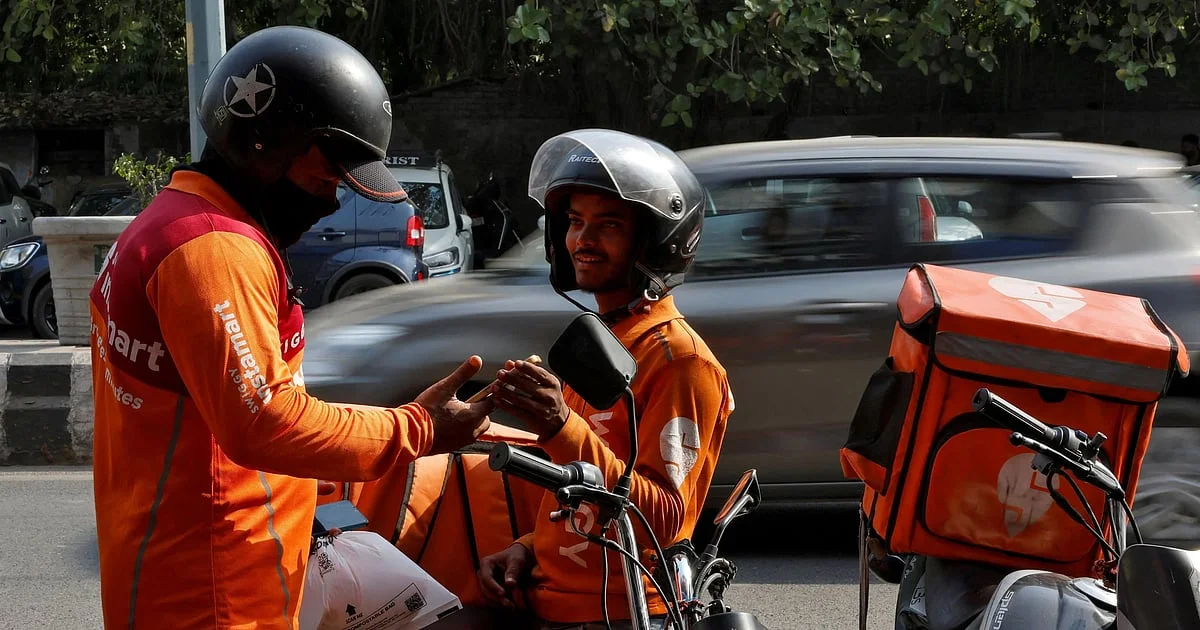
Bengaluru’s festive-season economy is expected to generate around 2.5 lakh temporary gig jobs as retailers, delivery services, warehouses and other consumer-facing businesses prepare for a sharp increase in demand. The hiring wave points to the city’s growing dependence on flexible labour during peak periods, while also raising questions about income stability, worker protection and the sustainability of short-term employment.
The recruitment is expected to span delivery, logistics, warehousing, retail and related support roles. Demand typically rises ahead of major festivals as households increase spending on clothing, electronics, groceries, gifts and travel. For businesses, temporary workers provide additional capacity without committing to permanent staffing levels throughout the year. For workers, however, the same model offers a mixed proposition.Seasonal employment can provide an accessible source of income for students, first-time workers and people seeking short-term opportunities. Yet earnings can vary with demand, working hours and incentive structures, while platform-based workers often bear costs linked to fuel, mobile connectivity and vehicle maintenance.Bengaluru’s scale as an e-commerce and technology centre makes it an important market for this seasonal employment cycle. A large concentration of consumers, warehouses and delivery networks allows businesses to respond quickly to changes in purchasing patterns.
But the resulting increase in delivery traffic can also place additional pressure on already congested roads. The urban implications extend beyond employment. A surge in last-mile deliveries means more two-wheelers and commercial vehicles moving through residential and commercial neighbourhoods. Without efficient logistics planning, peak-season demand can increase congestion, parking pressure and local emissions. Urban planners and labour-market specialists increasingly view gig work through both economic and infrastructure lenses. Temporary employment can strengthen household incomes and help businesses absorb demand, but cities also need systems that support safe working conditions, rest facilities and reliable mobility for workers who spend long hours on the road. The festive hiring cycle also demonstrates how consumer demand can create rapid employment opportunities without necessarily producing long-term job security. Businesses may benefit from a flexible workforce, while workers need greater clarity around compensation, insurance, safety and the duration of assignments. For Bengaluru, the coming festive period will therefore test more than retail capacity.
It will also show how effectively the city can accommodate a temporary expansion of its workforce and delivery activity without adding disproportionate pressure to transport networks and public spaces. The opportunity is significant: if supported by fair work practices, efficient logistics and safer mobility, seasonal hiring can provide meaningful income while helping businesses meet demand. The longer-term challenge is ensuring that the city’s growing gig economy develops alongside stronger protections and more inclusive urban infrastructure.