
Simpler labour laws must also aim to protect scarce jobs

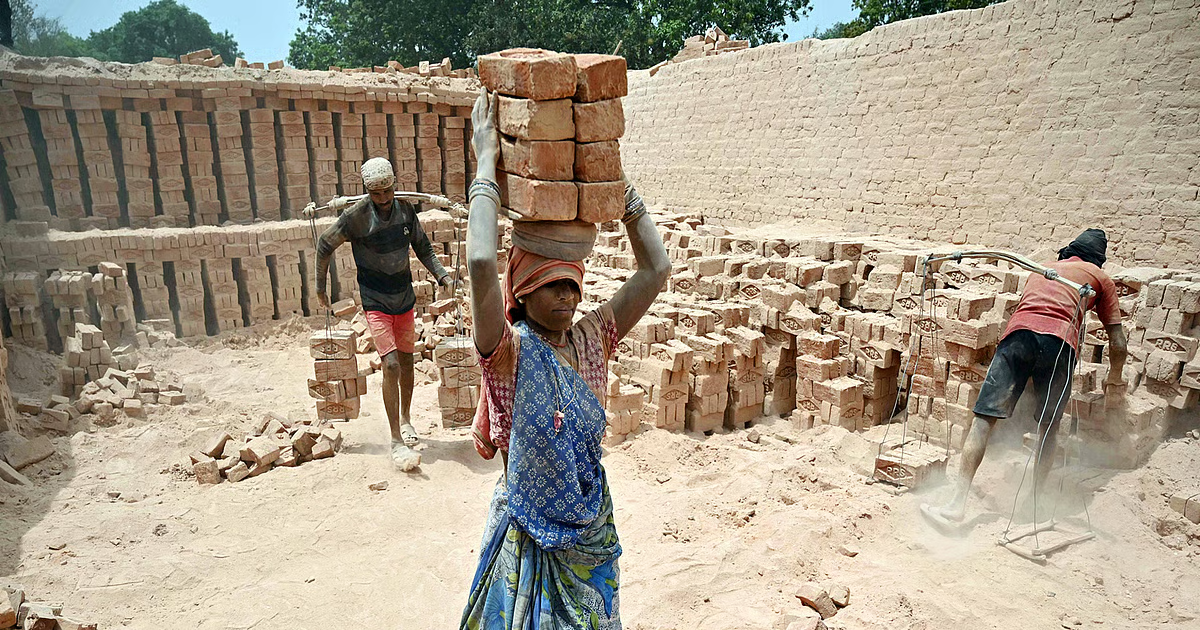

For industry, the codes promise less red tape. The number of returns will come down from 39 to just one electronic return, and licences will be offered through single-window clearances. But the Association of Indian Entrepreneurs reckons the codes will raise operating costs for smaller enterprises. For millions of unorganised workers, the focus will now shift to defining and enforcing minimum wages. Among the categories listed for minimum wages, work predominantly performed by women has often been slotted under the unskilled category; livestock care, for instance, is assumed to be done by men.
A flexible hire-and-fire regime, while workable in a robust economy with plentiful jobs, can be detrimental in Indian conditions. Regular jobs are scarce and unemployment is rampant. Yet much of the job-protection framework has been dismantled. Today, barely 6.3 percent of the workforce is unionised, and labour disputes have dropped dramatically—from 354 in 2014 to just 76 between 2015 and 2023. Generating and protecting jobs must, therefore, be a priority for governments. The new labour codes may be a start, but the need for course correction will be felt more urgently down the line.