What it means for you as an employee


After decades of working under colonial-era labour laws, India’s workforce woke up on November 22, 2024, to a fundamentally different employment landscape. The new Labour Codes 2025 don’t just shuffle paperwork—they rewrite the rules on your salary, your rights, your safety, and your future. Whether you’re a permanent employee, a contract worker, a gig worker delivering food, or someone working from home, these changes affect you directly. Here’s what you need to know about your new rights and what’s changing in your working life.
What’s new: Every single worker in India now has a legal right to a minimum wage, whether you work in an office, a factory, a farm, or through an app.
What it means for you: The old system only covered certain “scheduled” jobs. Now, domestic workers, agricultural labourers, platform workers—everyone—gets wage protection. A national floor wage sets the baseline, and no state can go below it.
What’s new: Timely payment is now a legal right. All wages must be paid by the 7th of the following month.
What it means for you: No more waiting weeks for salary. IT/ITES companies and startups notorious for delayed payments must now comply or face penalties. You can plan your finances better.
What’s new: Companies can no longer hide most of your salary in allowances. At least 50% of your total compensation must be classified as “wages.”
What it means for you: Your take-home pay might reduce slightly because more of your salary now attracts PF and gratuity deductions. But here’s the trade-off: your retirement savings (PF) will grow much faster, and your gratuity amount will be significantly higher when you leave.
What’s new: Working hours capped at 8-12 hours/day and 48 hours/week. Overtime work requires your consent and pays double wages.
What it means for you: If your job regularly demands extra hours, you either get properly compensated at 2x rate or can refuse without fear. Your time is now valued by law.
What’s new: Fixed-term employees, contract workers, and project-based staff become eligible for gratuity after just one year of continuous service.
What it means for you: This is massive. If you’re on a contract, in IT services, automotive, or any project-based role, you no longer need to wait five years. Even if you work one year, you get gratuity when you leave. Your financial security improves dramatically.
What’s new: All workers—permanent, contract, gig—must receive formal appointment letters detailing wages, designation, and entitlements.
What it means for you: No more informal arrangements or verbal promises. Everything is documented. You have proof of your job terms, making it easier to claim your rights.
What’s new: If you’re hired on a fixed-term contract, you’re entitled to the same pay, leave, social security, and benefits as permanent employees doing the same work.
What it means for you: Equal pay for equal work is now law. No more second-class treatment just because your contract has an end date. You get PF, ESIC, leave—everything.
What’s new: Remote work gets statutory backing. Employers and employees can mutually agree to WFH arrangements.
What it means for you: If you’re in IT/ITES or tech, your hybrid/remote work setup is no longer in a legal grey area. It’s a legitimate work arrangement protected by law.
What’s new: Gender-based pay discrimination is explicitly illegal. Men, women, and transgender employees doing the same work must receive equal remuneration.
What it means for you: If you’ve faced pay discrimination based on gender, you now have legal grounds to challenge it. Compensation parity is enforceable.
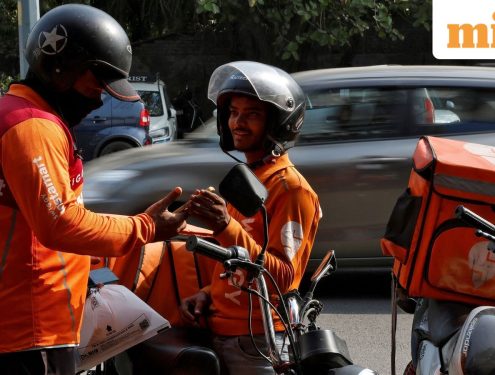
What’s new: If you deliver food, drive a cab, or work through any platform, you’re now legally recognised. Companies such as Swiggy, Zomato, Uber, and Ola must contribute 1-2 per cent of their turnover (capped at 5 per cent of payouts) to a social security fund for you.
What it means for you: You’ll get access to health insurance, accident cover, life insurance, and potentially pension benefits. Your Aadhaar-linked Universal Account Number makes these benefits portable—you carry them wherever you work.
What’s new: Employees’ State Insurance Corporation (ESIC) benefits now apply across India, not just in “notified areas.” If you earn up to Rs 21,000/month and work in an establishment with 10+ employees, you’re covered.
What it means for you: Even if you work in a remote location or smaller town, you get medical benefits, maternity benefits, disability benefits, and dependent benefits through ESIC.
What’s new: If you work in a state different from your home state, you’re entitled to journey allowance, displacement allowance, annual home visit provisions, and portable social security.
What it means for you: Your PDS (ration card) and social security benefits travel with you via Aadhaar. If you’re in construction, brick kilns, or seasonal work, you finally have legal protections.
What’s new: Female employees get 26 weeks of paid maternity leave, and pregnancy-based discrimination is prohibited.
What it means for you: If you’re planning a family, you have extended paid leave. Employers cannot fire you or discriminate against you for being pregnant.
What’s new: Female employees can now include parents-in-law in their family definition for social security and leave benefits.
What it means for you: Expanded dependent coverage means you can access benefits for a wider family circle.
What’s new: Women are now permitted to work night shifts in all industries—including mining and hazardous work—subject to consent and mandatory safety measures.
What it means for you: If you’re a woman, you can now access higher-paying shift roles previously restricted. Companies must provide transport, security, adequate lighting, and safety protocols.
What’s new: Women can work underground in mines and operate heavy machinery, with consent and safety measures.
What it means for you: Career paths in mining, heavy industry, and hazardous work are now open. These roles often pay better.
What’s new: Workers aged 40+ are entitled to free annual health examinations provided by employers.
What it means for you: Regular health monitoring without out-of-pocket expenses. Early detection of health issues.
What’s new: Workplaces with 500+ workers must have safety committees. All hazardous industries must provide safety training and protective equipment.
What it means for you: Your workplace becomes safer. If you’re in manufacturing, mining, construction, or hazardous work, you get proper training and gear.
What’s new: MSME workers and plantation workers now get guaranteed access to canteens, rest areas, and where applicable, childcare facilities.
What it means for you: Basic dignity at work—places to eat, rest, and if you’re a working parent, childcare support.
What’s new: If you work on tea, coffee, or rubber estates, your children are entitled to education provisions funded by your employer.
What it means for you: Your family’s future improves. Educational opportunities your employer must support.
What’s new: Tech sector employees facing harassment or discrimination get faster dispute resolution mechanisms.
What it means for you: Complaints are addressed quickly, not dragged out for months. Safer, more accountable workplaces.
What’s new: If you work in export industries, you’re entitled to annual leave after 180 days of work.
What it means for you: Paid time off is a right, not a favour.
What’s new: Port and dock workers receive legal recognition, PF, pension, insurance, and employer-funded health check-ups.
What it means for you: If you work in ports, you’re no longer in a legal grey zone. Full social security coverage.
What’s new: Workers in beedi and cigar manufacturing, textiles, and audio-visual media production get standardised wages and working conditions.
What it means for you: Industries with historically informal workforces must now formalise. You get proper wages, leave, and safety standards.
What’s new: All workers can register through Aadhaar-linked mobile apps. One registration works across all social security schemes.
What it means for you: No more running to multiple offices. Register once, access PF, ESIC, and other benefits digitally.
What’s new: Gratuity claims can be submitted through a central online portal, and employers must settle within a time-bound period.
What it means for you: When you leave a job, you don’t chase employers for months. File online, get paid on time.
What’s new: Industrial disputes now heard by two-member tribunals instead of three, speeding up resolution.
What it means for you: If you have a dispute with your employer, it gets resolved faster. Less waiting, less uncertainty.
What’s new: Labour inspectors now focus on helping compliance, not just penalising. Inspections are computer-randomised.
What it means for you: Reduces inspector harassment and corruption. More transparent enforcement system.
What’s changed: Because more of your salary is now counted as “wages” (the 50% rule), more money goes into PF and attracts gratuity calculations.
What it means for you: Your monthly take-home might reduce by a few thousand rupees, but your retirement corpus grows much faster. Think of it as forced savings with employer contribution.
What’s changed: While the central codes are in force, states are still drafting their implementation rules.
What it means for you: There might be some confusion during the transition. Some rights might take time to fully implement depending on which state you work in.
For the first time in India’s history, workers across all sectors—whether you’re in a corporate office, driving a cab, working on a construction site, or delivering groceries—have comprehensive legal protections.
You have the right to:
The codes aim to formalise India’s vast informal economy—85 per cent of the workforce. If you’ve been working without a contract, without PF, without any safety net, these reforms are designed to bring you into the formal system with full protections.
The big question: Will employers actually comply? Will states enforce these rules properly? Will the promise of simplified compliance bring informal workers into the fold, or will businesses find ways around the new requirements?
The answer depends on how seriously the system takes enforcement—and how aware you are of your new rights. Know your rights. Ask for your appointment letter. Register for social security. Claim your gratuity. The law is finally on your side.