
Delhi orders 50% work-from-home as pollution emergency intensifies

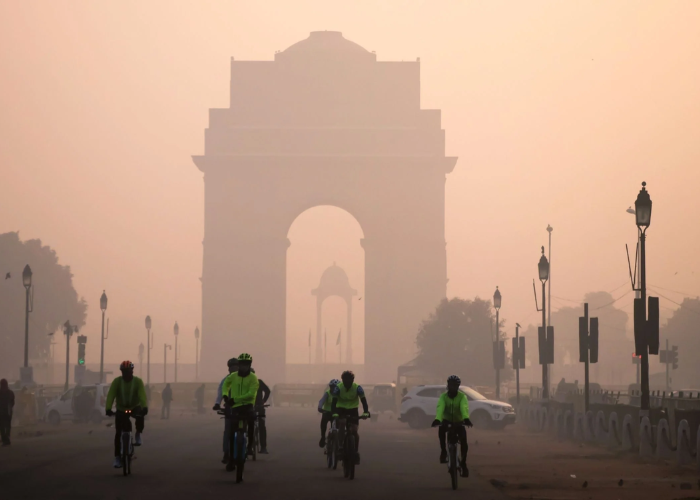

The Delhi government has directed organisations across the national capital to shift at least half of their workforce to remote working arrangements, as part of emergency measures to tackle persistently hazardous air-quality levels. The directive applies to both government offices and private-sector establishments, requiring on-site attendance to be capped at 50 per cent.
The move is aimed at reducing daily commuting and vehicular congestion, which authorities say is critical to limiting further deterioration of air quality. Officials noted that prolonged exposure to polluted air poses serious health risks, particularly for children, the elderly and those with respiratory conditions, making immediate intervention necessary.
The decision comes amid a sustained spell of poor to severe air quality, which has triggered stricter controls under the Graded Response Action Plan. Government officials said that curbing physical movement across the city is one of the most effective short-term tools available while other pollution-control measures remain in force.
Essential services have been kept outside the scope of the order. Sectors such as healthcare, emergency response, law enforcement and public utilities have been exempted due to the critical nature of their operations. However, authorities have cautioned that non-essential organisations that fail to comply with the work-from-home directive may face regulatory action.
The remote working mandate is part of a broader package of emergency steps being implemented across the city. These include restrictions on construction activity, tighter enforcement of vehicle emission norms and targeted measures to reduce health risks for vulnerable populations.
Workplace and policy experts say the order highlights how environmental crises are increasingly influencing labour practices. They note that organisations are being pushed to adopt flexible operating models that allow business continuity while placing employee health and safety at the centre of decision-making.