Despite booming gig economy, delivery boys’ lives hang by a thread

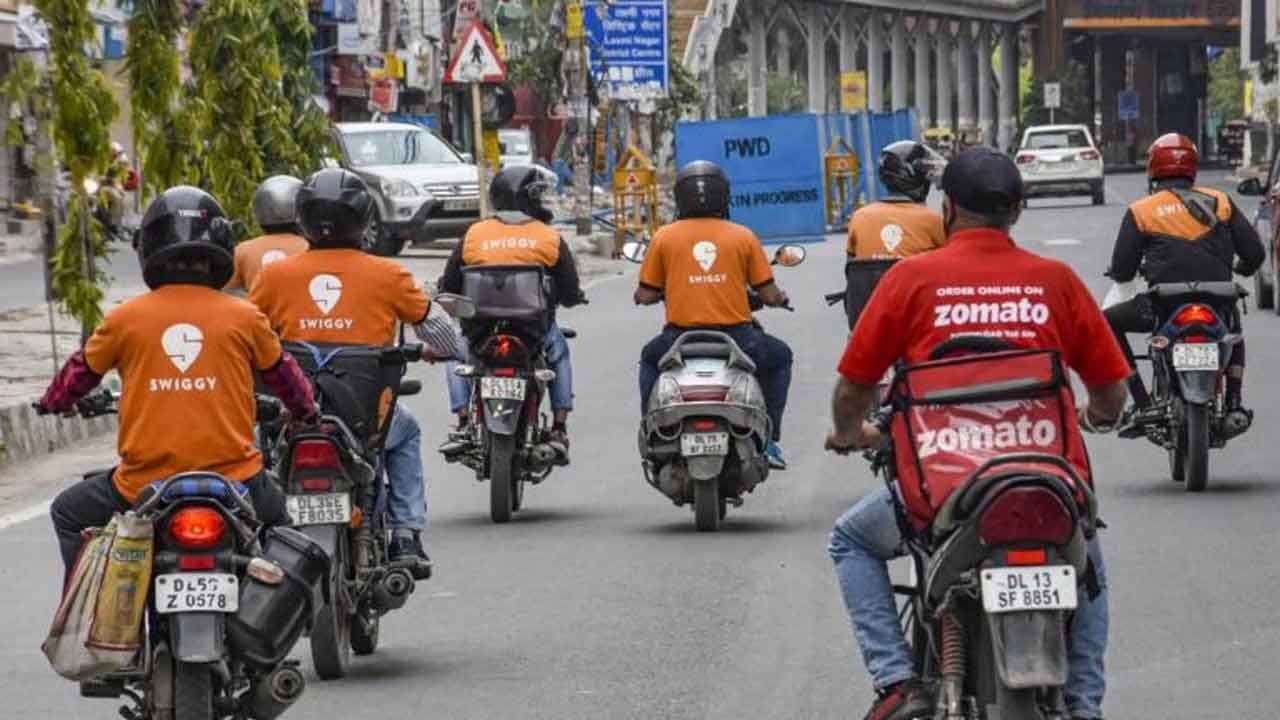

Hyderabad: With limited job opportunities and growing family responsibilities, many youngsters in Hyderabad are turning to app based food delivery jobs. Though the work appears flexible, it comes with uncertainty, long hours and no guaranteed income. For most delivery boys, earnings depend entirely on the number of orders they complete each day.
Their job is not time-based but order-based. To earn a reasonable income, many remain on the road for 10 to 14 hours daily. From delivering breakfast in the morning to late-night dinner orders, they travel across the city in harsh sunlight, heavy rains and dense traffic.
On average, a delivery partner covers 100 to 150 kilometres a day, sometimes travelling up to 15 kilometres for a single order.Targets and customer ratings largely determine their earnings. If they fail to complete enough orders, their incentives are reduced.
Even minor delays caused by traffic jams or bad weather can lead to poor ratings, which affects the number of future orders assigned to them. Many delivery workers say they feel constant pressure to deliver food quickly, often forcing them to speed on busy roads and increasing the risk of accidents. Fuel expenses, bike maintenance and other costs are borne by the workers themselves, reducing their already modest income.
When customers cancel orders or complain, penalties are sometimes imposed, even if the delay was beyond the delivery partner’s control. Workers say such situations leave them feeling helpless and stressed .Food delivery workers fall under the unorganised sector and lack strong legal protection.
While companies claim to offer accident insurance, many workers allege that claiming benefits is difficult and complicated. In cases of accidents, families often struggle without adequate support. Delivery partners are now demanding better pay, proper insurance coverage and recognition under labour welfare laws.
As the gig economy expands in cities like Hyderabad, their struggles underline the urgent need for government policies to ensure social security and dignity for thousands of workers, who keep the city running every day.
Salman, a delivery worker from Secunderabad, says their job is completely order-based. The more deliveries they complete, the more they earn. They pay for fuel and vehicle maintenance themselves and often face pressure from customers for quick deliveries despite traffic delays. He believes companies and aggregators should provide insurance and welfare support to delivery partners, with help from the government if needed.