
Infosys tightens hybrid work framework; pushes greater office presence

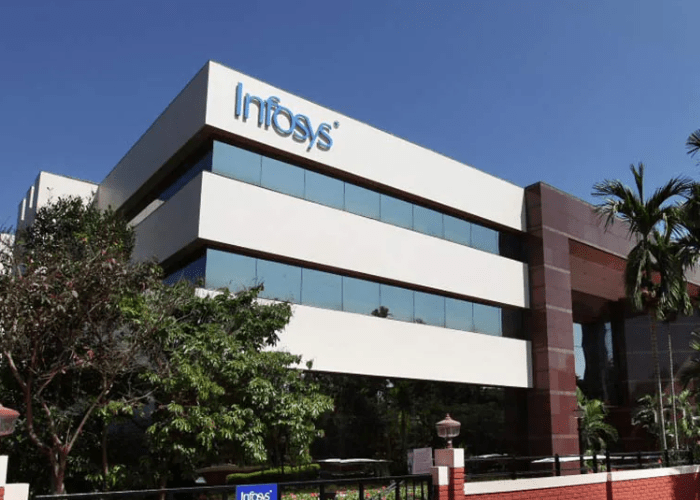

Infosys has rolled out a revised work model that places stronger emphasis on office attendance while continuing to allow limited flexibility. The updated framework reflects a wider reset underway across India’s IT services sector, as companies move beyond the pandemic-led expansion of remote work and redefine long-term workplace expectations.
Under the new structure, most employees are now required to work from a company office for at least 10 days each month. Hybrid work remains in place, but the scope for working remotely has been narrowed. The company has introduced a clear ceiling on work-from-home allowances, limiting them to five days in a quarter. Any requirement beyond this threshold must be approved by the reporting manager and is intended only for exceptional situations.
The revised approach also strengthens managerial control over attendance planning. Employees are expected to seek approvals in advance rather than rely on automatic or informal permissions. This marks a shift toward tighter monitoring and clearer accountability around work patterns.
The changes indicate a belief that extended remote work can weaken collaboration and slow down learning, particularly in large teams and complex projects. A stronger office presence is seen as critical for mentoring, faster decision-making and building team cohesion. Similar adjustments have been announced by other major IT firms, suggesting a sector-wide move toward more predictable hybrid models.
Alongside attendance norms, Infosys has added a sustainability-related requirement for remote employees. Staff working from home will now share monthly data on household electricity usage and energy practices. This is aimed at improving the company’s assessment of the environmental footprint of remote work.
Employee responses have varied. While some welcome clearer guidelines, others remain cautious about reduced flexibility. Overall, the shift highlights a growing preference for structured hybrid work aligned closely with business and delivery priorities.