
Inside a Life of Service: What It Takes to Run a Taj Hotel

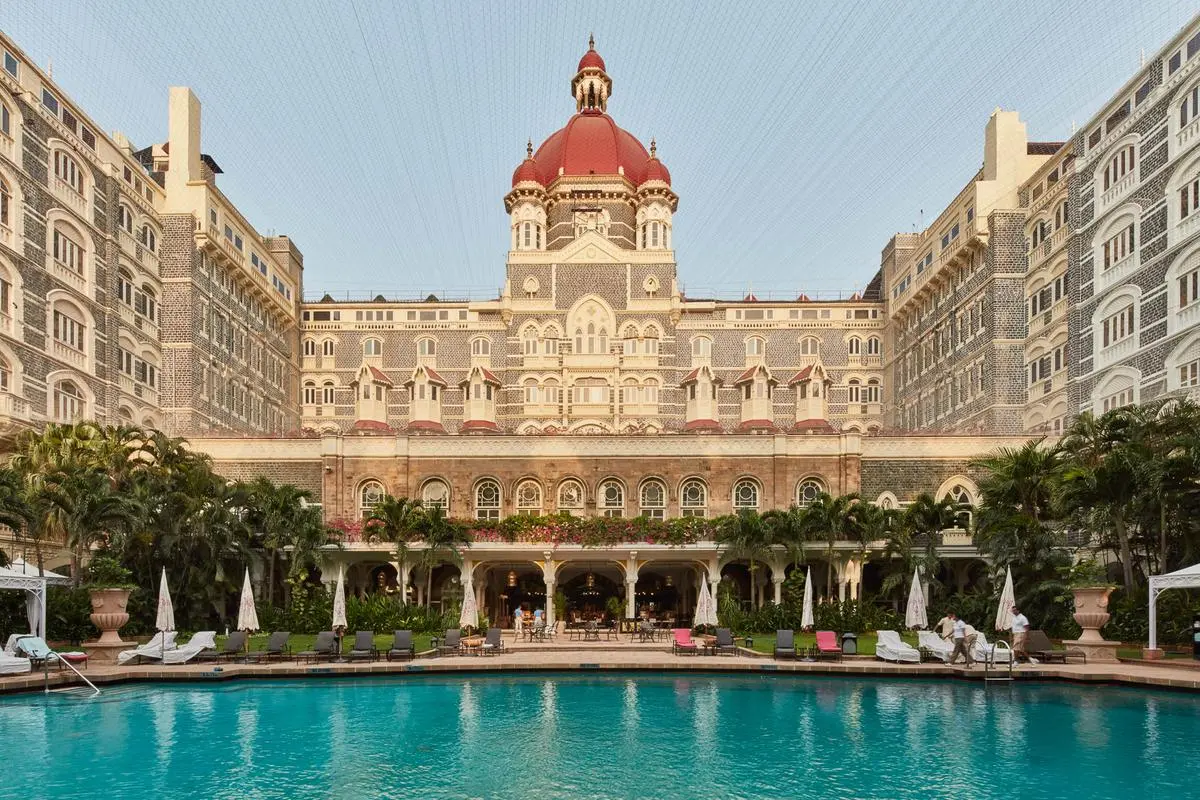

Imagine your dream job. Does it involve meeting cricket legends like Sachin Tendulkar? Checking a queen into a hotel room? Or maybe just having a legitimate excuse to be obsessed with whether the clock on the banquet hall wall has the correct time?
If you answered yes to any of the above (especially the last one—more on that later), then P.K. Mohankumar’s memoir, Moth to Flame, might just be your backstage pass. This is the story of a man who, for over four decades, did not just work at a hotel. He became the hotel. He lived, breathed, and probably dreamed in the crisp, maroon-liveried colours of the Taj Group, one of India’s most iconic hotel chains.
The book’s title gives you the main plot: Mohankumar was the moth, and the Taj hotel group was his dazzling, all-consuming flame. From a kid in 1950s Kerala who thought the local bus ride was an adventure, he grew up to become one of the top guys running some of India’s fanciest hotels. His journey is the ultimate “started from the bottom” story, except the “bottom” involved polishing endless amounts of silverware and learning that a truly great hotelier can spot a crooked painting from across a ballroom.
Let us be real, a book about hotels could easily be as exciting as watching paint dry on a very well-decorated wall. But Mohankumar, or PK as he is often called, saves it by leaning hard into the absurd, wonderful, and sometimes utterly bizarre reality of the job. This is a world where your Tuesday morning could be spent arguing about the cost of imported lilies, and your Tuesday evening could involve calmly guiding a panicked staff because, oh, the Queen of England just popped in for lunch and has a question about the drumstick flower curry. He describes this constant whiplash with a straight face, which is where a lot of the charm lies. You get the feeling that for people like him, a sudden tsunami relief operation (which he helped lead) was just another item on the to-do list, right between “fix wobbly table in Suite 302” and “plan New Year’s gala”.
By P.K. Mohankumar
The cast of characters is what really makes this feel like a mini-novel. There is the legendary J.R.D. Tata, the boss of all bosses, who would wander his hotels asking tricky questions about flower names just to keep the staff on their toes—a corporate Jedi mind trick. There is the terrifyingly perfect interior designer, Mrs. Kerkar, who could walk into a brand-new, million-dollar banquet hall, glance at the ceiling, and order the whole thing torn down because a beam was two millimetres off. Reading these bits, you realise running a palace is not about throwing money around; it is about a specific, slightly obsessive madness for detail. It is the opposite of your average group project, where one person does all the work; here, if one person screws up the fold on a napkin, the entire universe might fall out of alignment.
Also Read | In Calcutta’s shadow, a thousand stories bloom
And then there are the celebrity run-ins, which PK narrates with the cool of a seasoned pro. He serves Amitabh Bachchan soup and chats about zodiac signs. He becomes pals with Sachin Tendulkar, carefully noting the cricket god’s love for Konkani crab curry and even helping him redesign his elbow guard based on feedback from a waiter. These stories are not namedropping for the sake of it; they are to make a point: in hospitality, you are a psychologist, a friend, a secret-keeper, and sometimes a temporary family member for people who live in a goldfish bowl. It is a way more interesting job than just making sure the mini-bar is stocked.
A book about hotels could easily be as exciting as watching paint dry on a very well-decorated wall. But Mohankumar saves it by leaning hard into the absurd, wonderful, and sometimes utterly bizarre reality of the job.
| Photo Credit:
By Special Arrangement
But PK does not just hang out with the glitterati. Some of the best chapters are about his “turnaround” projects. Imagine being sent to a beautiful but failing hotel in Sri Lanka during a civil war, where the staff has given up, and the paint is peeling. Your mission: make it fabulous again, and fast. His method? Roll up your sleeves and clean. Literally. He tells a great story about getting every employee, from accountants to managers, to spend a Sunday deep-cleaning a grimy storeroom, with tasks picked from a hat. He, the General Manager, ended up on broom duty. It was a masterclass in leadership without a single PowerPoint slide: “Don’t ask your team to do anything you won’t do yourself, especially if it involves a lot of dust.” It worked, of course. Who is going to slack off when the boss is right there next to them, sweating over a mop?
Now, is this a perfect book? Nah. If you are looking for a critical exposé on the hotel industry or a fast-paced thriller, you will be disappointed. PK loves the Taj group. I mean, he “really” loves it. The word “Taj-ness” is used so much it starts to feel like a magical incantation. The writing can get bogged down in corporate reshuffles and brand architecture talk, which is about as thrilling as it sounds. You will find yourself skimming through paragraphs about the strategic rollout of the Gateway brand to get to the next story about a kitchen disaster or a funny guest request.
And let us talk about the work-life balance, or lack thereof. PK is brutally honest about the cost of his career. He missed birthdays, school plays, and lived away from his family for years, talking to his daughters via phone extensions from his hotel room. He paints it not as a tragedy, but as a conscious choice, a trade-off for a career he adored. It is a valuable, unsentimental lesson for any starry-eyed dreamer: incredible jobs often demand incredible sacrifices. You do not become the master of a make-believe kingdom without spending a lot of time away from your own castle.
Also Read | Lessons in leaving
Reading Moth to Flame is like shadowing someone with the world’s coolest internship. You learn that a great hotel is not run by magic, but by an army of dedicated people who notice everything. The temperature of the room, the angle of the sunlight, the exact fluffiness of a pillow, the secret way a regular guest likes their toast—these are the bricks and mortar of the experience. PK calls hoteliers the “second army,” and after reading this, you get it. It is a mix of discipline, artistry, and sheer stamina.
So, who should read this? If you have ever stayed in a hotel and wondered who orchestrates the whole silent, smooth operation, this is your backstage pass. If you are thinking about a career in anything service-oriented—not just hotels—there is a ton of wisdom here about handling people, pressure, and perfectionism. And if you just love a good, old-fashioned success story packed with eccentric characters and real-world lessons, it is a solid pick.