
Job-Related Migration Increases Among Women In India’s Blue & Grey Collar Workforce

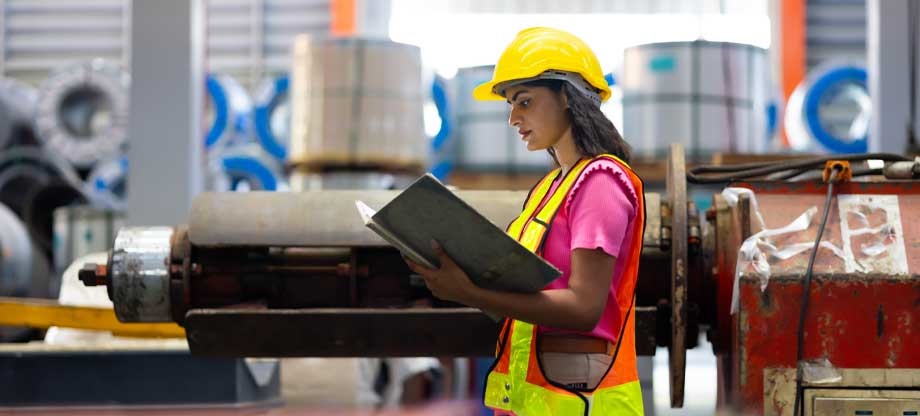

For generations, migration for work in India’s blue- and grey-collar economy followed a familiar pattern. Young men would leave villages and small towns, boarding overcrowded trains to metro cities. They would send money back home while women stayed back to manage households and families. But things are changing now.
According to a recent report by job portal WorkIndia, job-related migration among India’s blue- and grey-collar workforce rose 31.4 per cent year-on-year during January-April 2026. Women and freshers are increasingly willing to relocate for work, driven by the promise of better pay, independence, and opportunity.
This marks a cultural and economic shift in a country where women’s mobility has been constrained by safety concerns, family expectations, and social norms. Today, from warehouse associates and delivery executives to tele-callers, retail staff, beauticians, and factory workers, more women are stepping beyond the boundaries of their hometowns and entering the labour migration workforce in India.
The New Female Migrant Worker
The image of the Indian migrant worker has traditionally been male. Construction sites, factories, logistics hubs, and industrial clusters have depended heavily on men who moved from Bihar, Uttar Pradesh, Odisha, or Jharkhand to cities like Mumbai, Bengaluru, Chennai, Hyderabad, Pune, and Delhi. The few women who did migrate usually moved after marriage or as part of family migration rather than independently for work.
That is changing rapidly. Recruitment platforms and employers are seeing a noticeable increase in women applying for out-of-town jobs, especially in sectors such as retail, healthcare support, hospitality, beauty services, customer support, e-commerce operations, and food processing. The rise of organised gig work and app-based hiring has also opened doors for women who previously had limited access to formal employment networks. For many young women, migration is no longer seen as an act of desperation but as a pathway to aspiration.
A 22-year-old from a tier-3 town in Uttar Pradesh moving to Bengaluru for a retail job may now earn double what she could locally. A nursing assistant from Assam relocating to Chennai may find stable accommodation, career progression, and financial independence. A fresher from Indore working in a warehouse in Hyderabad may be supporting her siblings’ education back home. These stories are becoming increasingly common and socially accepted.
Why Women Are Choosing To Move
The reasons behind this shift are layered and deeply tied to India’s changing social fabric. The most obvious driver is economics. Wage disparities between smaller towns and large urban centres remain stark. In many hometowns, opportunities for women are limited to poorly paid informal work, tuition classes, tailoring, or unpaid family labour.
Urban employers, however, are aggressively hiring. India’s booming logistics, e-commerce, quick commerce, retail, and services sectors need workers at scale. In a competitive labour market, companies are offering accommodation support, incentives, safer transportation, and structured shifts to attract women employees. For many women, migration is now linked to upward mobility rather than survival.
India’s young women are more educated than ever before. Even when they do not hold college degrees, many have completed secondary education, possess digital literacy, and are comfortable using smartphones and job apps. Exposure to social media and digital platforms has also expanded horizons. Women in smaller towns can now see peers living independently, working in cities, and supporting families financially. The psychological barrier to migration has weakened.
Perhaps the most significant change is happening inside Indian homes. A decade ago, many families hesitated to send daughters to another city alone. Safety fears and social stigma often outweighed economic benefits. Today, rising living costs and aspirations are reshaping attitudes. Parents increasingly recognise that daughters can become equal financial contributors. In many lower- and middle-income households, women’s incomes are helping fund siblings’ education, healthcare, home construction, and debt repayment. This is quietly accelerating social reform.

The Workplace Is Changing
Companies that once hired predominantly male workers are redesigning workplaces to accommodate women employees. Shared hostels, women-only transport options, flexible shifts, and workplace grievance systems are becoming more common in organised sectors.
Large warehouses, for instance, are increasingly employing women for packaging, inventory management, and quality checks. Retail chains are recruiting women aggressively for customer-facing roles. Beauty and wellness industries continue to expand opportunities for female workers from smaller towns.
This changing workforce is also reshaping urban culture. Women migrants are creating support networks, sharing accommodation, navigating cities independently, and building communities far from home.

The Challenges That Remain
Despite the optimism, the road is far from easy. Safety remains a major concern, particularly for women working night shifts or commuting long distances. Affordable and secure housing for single working women is still inadequate in many cities. Harassment, exploitation, and wage inequality continue to affect women workers disproportionately.
Many migrants also face loneliness and emotional strain. Moving away from family support systems can be isolating, especially for first-time workers navigating unfamiliar cities. There is also the challenge of social judgment. Independent working women still face scrutiny in many communities, particularly when they choose to live alone or delay marriage.
However, one thing is clear. Blue- and grey-collar women workers are no longer passive participants but represent mobility, change and economic independence.