New generational job opportunities for Gen Z

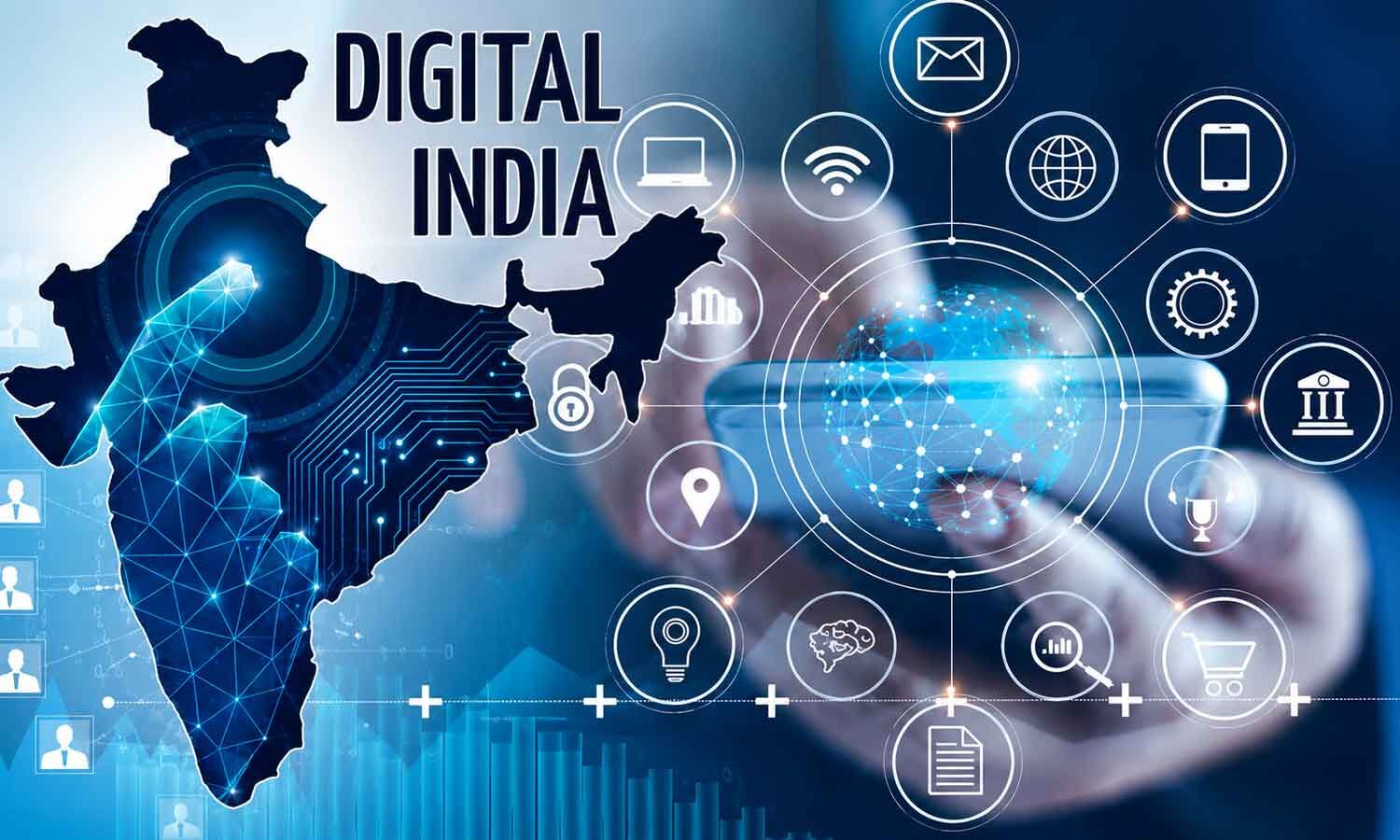

India is heading towards “Viksit Bharat@2047,” but achieving this ambitious goal in a short timeframe depends on persistent reforms, the correction of macroeconomic imbalances, and the management of geopolitical challenges. The implementation of digital reforms in 2015 resulted in significant changes to the Indian economy, as India’s work culture underwent structural restructuring, producing new types of jobs across many sectors.
Moreover, youth thought process is changing in line with structural transformation from waiting for government notifications to technical driven startups establishment, from playing video games to sharing knowledge, skills and talent through reels and shorts, promoting a product local to national and international recognized and there are many other. Especially, Gen Z now finding opportunities in emerging fields, partly driven by the digital revolution and contributing significantly to the nation’s economy.
Digital Revolution
India’s current growth story began with the 2015 Digital India scheme, which paved the way for new-generation earnings and a significant contribution to the economy. Until 2014, the telecom sector was in turmoil, and the price of 1 GB of data was between Rs. 250 and 300, with an unreliable network. Accessibility: the breakthrough India achieved in upgrading internet speeds from 2G/3G to 4G and 5 G. Since 2016, 4G network service has reached every corner of the country. Since 2022, 5G networks covered 99.6 per cent of the districts by establishing 4.74 lakh towers.
Affordability: Along with the high-speed network, the Government of India has made network services available at an affordable price for all sections of society. According to information from bestbroadbandsdeals.co.uk, in 2023, India was among the top 10 countries out of 237 offering the cheapest 1 GB of mobile data at $0.16 (Rs. 13.32). As we compare the average price of 1 GB data with the world’s top 10 largest economies (Based on nominal GDP).
Among these, except Italy (0.09$), all other countries have an average price of 1 GB more than India, for example, in France (0.20$), in Russia (0.25$), in China (0.38 $), in Brazil (0.40$), in the UK (0.62$), Germany (2.14$), Japan (3.48$), and the USA (6 $). The average price of 1 GB further declined in India as of 2026 July.
Simply, anyone who has a smartphone can observe that while recharging their mobile phone with Paytm/G Pay and other recharge apps, various recharge data plans will appear. As per that information, at the (Dollar to rupee exchange rate, such as 1$ = 95.68), Airtel is providing 1 GB per day at 0.06$ (Rs. 6.31), BSNL at 0.03$ (Rs. 3.8) and Jio at 0.06$ (Rs. 6.28). Further, Broadband Fibernet services are available at the lowest price (between Rs. 1 and 3) for 1 GB.
Utilisation: The people of the country are efficiently utilizing the low-price network facility for their daily activities. According to the PIB 2025 data, internet connections in the country rose from 25.15 crore in March 2014 to 96.96 crore in June 2024. At the same time, indispensable high-speed network connections are being penetrated in the 2.18 lakh gram panchayat through Bharat Net.
According to the NSS 80th round (CMS 2025) data, smartphone usage in the country has increased significantly. In the 15-29 age group across India, 93.8 per cent of persons own a smartphone. In rural areas, 93.0 per cent, and in urban areas, 95.3 per cent of people own smartphones. The digital economy’s contribution to the national GDP has risen from 5.8% in 2014 to 8.58% in 2019 and 11.74% in 2022-23, with projections to reach 20% by 2030.
Spillover effects
The digital revolution in India paved the way for lakhs of jobs and business opportunities for the country’s youth. Especially during the lockdown, people continued their services online without losing income due to uninterrupted internet access. It has opened the door to new kinds of jobs in the private sector for the younger generation living in rural and urban areas, such as gig economy work, freelance jobs, and intraday trading, making the shorts, reels, and travelers within and outside the country. The digital revolution amplified gig-platform-based work, including delivery services, logistics, ridesharing, and professional work.
As of 2025 August, 3.37 lakh platform gig workers are registered in the e-Shram portal, and NITI Aayog projected that the sector will provide employment opportunities from 1 crore to 2.35 crore between 2024-25 and 2029–30. Furthermore, youth are actively involved directly in stock market investment and intraday trading as a profession. As of January 2026, data from the National Stock Exchange (NSE) show there were 12.7 crore unique registered investors. The SEBI investor survey 2025 indicates that 9.5% of Indian families invest in the stock market.
Social media platforms like YouTube, Facebook, and Instagram have enabled youth and women from various fields to showcase talents and gain steady incomes, notably through reels and shorts. Creating digital content is now a widespread profession. Many have turned travel into work, earning money by sharing their videos of various places on social media platforms. Social media further globalizes local products (handicrafts, handlooms, ayurvedic medicine, fisheries, and organic goods) and supports exports.
Moreover, Sunil Patil (Dolly Tea Stall) from Nagpur gained major attention including a visit from Bill Gates and other celebrities to his tea shop. Now Dolly Tea stalls have become a brand, on that name many tea shops are opening across the country. Overall, these shifts in employment trends and economic sectors reflect how India is leveraging new opportunities to achieve the Viksit Bharat@2047 vision.
Reduction of unemployment
The data on unemployment provided by the World Bank’s development indicators, estimated using the ILO model, show that over the past few years, India has reduced its unemployment at a reasonable rate. The unemployment trends from 2014 to 2025 among the countries are as follows: the reduction in unemployment is paramount in India, from 7.65% to 4.22%, and was lower than in China, the United Kingdom (UK), and Brazil.
Financial inclusion and seamless transactions
The uninterrupted internet connectivity and network speed led to the financial inclusion of all sections of society. People with smartphones are conducting UPI-based financial transactions regardless of their education level. Digital literacy enhanced seamless transactions and saved people valuable time. Until 2015, every bank was crowded and had long queues; people used to wait hours for a small deposit or a withdrawal.
However, now people can send and receive a maximum of 1 lakh per day without any strain or bank officials’ involvement via UPI platforms such as PhonePe, GPay, Paytm, and BHIM, and others via banks’ offered apps such as ICICI iMobile Pay, Canara a1i, SBI YONO, HDFC Bank app, Axis Mobile, etc. In 2025, approximately 65 million merchants and 460 million people used UPI for transactions.
According to the Minister of Finance, over the ten years of the UPI digital revolution, the annual transaction volume increased from just 2 crores in FY 2016–17 to over 24,162 crores in FY 2025–26. Between FY 2016–17 and FY 2025–26, the transaction value increased significantly from ₹0.07 lakh crore to around ₹314 lakh crore.
There are some negative repercussions of digitalization that need to be addressed and raise awareness, in addition to the beneficial spillover benefits. People are now using digital payments for all transactions, which is causing problems like financial loss and psychological stress due to cybercrime and digital arrests by fraudulences.
Some social media influencers promote contentious information, fake news, etc. to boost views on their channels and earn money. Additionally, young people who lack financial literacy are engaging in online trading, which is causing them to lose money and mental equilibrium.
(The writer is Assistant Professor, School of Economics, University of Hyderabad)