
Ohio Company Fined After Baby Dies



Washington DC14 hours ago
AI generated representative image.
In Ohio, a court has fined a company $22.5 million (around ₹211 crore) for denying a pregnant employee the option to work from home.
The woman was compelled to attend the office despite her condition, leading to a premature delivery. The newborn died within a few hours.
The court observed that the outcome might have been different had she been allowed to work remotely. Based on this, the company was held responsible and penalised.

Total Quality Logistics is a logistics company that helps transport goods from one place to another.
Understand the complete case
Unpaid leave option was given instead of work from home
A woman named Chelsea Walsh worked at Total Quality Logistics (TQL), an American company. In February 2021, she requested permission to work from home (WFH).
The company gave her the option to either work from office or take unpaid leave, which would affect her income and health insurance. Out of necessity, she had to start working from office from February 22.
After working for three consecutive days, she went into premature labor on February 24. The woman gave birth to a baby girl, but the baby died just hours after birth.
Baby was born 18 weeks early
The woman had a high-risk pregnancy and doctors had advised her to rest at home and work from home, but due to having to work from office, the baby was born approximately 18 weeks before the due date.
At birth, she was breathing and her heart was beating, but she died about an hour and a half later. After this, the family filed a case against the company. They claimed that if WFH permission had been granted, the woman would have gotten rest and this tragedy could have been avoided.
The case was heard in Hamilton County Court, where the jury found the company guilty. The company was held responsible and ordered to pay $22.5 million. The court, calling it a tragic incident, said that the company should have understood the employee’s situation.

According to media reports, the baby was named Magnolia. She was breathing and her heart was beating at birth, but she died about an hour and a half later. File Photo
Different rules for pregnant women
Laws on the rights of pregnant employees vary across countries, but certain principles remain widely recognised. Employers cannot discriminate against a woman on the grounds of pregnancy, and facilities such as work from home may be provided when required.
At the international level, it is accepted that pregnant women must be given “reasonable accommodation”. This can include reduced working hours, lighter duties, or permission to work remotely, depending on medical needs.
Laws protecting pregnant women in the US
In the United States, laws safeguarding pregnant employees are clearly defined. Under the Pregnant Workers Fairness Act (PWFA), employers are required to provide necessary accommodations unless doing so causes undue hardship to the business.
The Pregnancy Discrimination Act (PDA) further ensures that women are not treated unfairly due to pregnancy. If other employees are allowed to work from home during illness, pregnant women should be given similar consideration.
In certain cases, the Americans with Disabilities Act (ADA) also applies. Where pregnancy involves serious health complications, employers must offer support, which may include remote working.
However, work from home is not mandatory in every situation. Employers may refuse if the nature of the job does not permit it or if it leads to significant operational loss, but valid reasons must be provided.
Companies are also obligated to ensure a safe working environment and must not assign physically demanding tasks to pregnant employees.
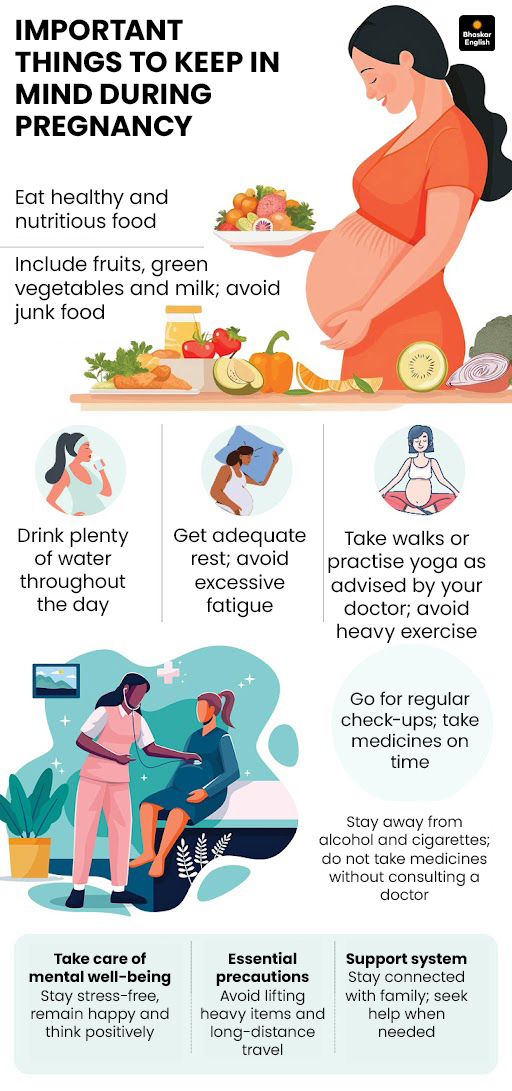
In India, 26 weeks of paid leave is provided
In India, women get several essential rights under the Maternity Benefit Act, 1961. For example, they get 26 weeks (about 6 months) of paid leave and cannot be terminated from their job.
According to this law, if work can be done from home and both the company and employee agree, WFH can be given after maternity leave. However, WFH is a facility, not a mandatory right.
The company can approve or deny it based on their requirements. Although the government has advised companies to allow women to work from home for some time after leave, this rule is not mandatory.