Tech3 | Meesho mints millionaires; Deconstructing an AI data centre; and more


Breaking: Race for iD Fresh Food: Apax Partners in exclusive talks for stake buy at $500-mn valuation
One quick thing: Hero Vida races past Ola Electric, TVS Motor retains crown in November EV two-wheeler sales
In today’s newsletter:
P.S.: Tune into Tech3 Podcast, your daily dose of tech and startup insights. Monday to Friday! Check it out on Spotify or Apple Podcasts. And don’t forget to sign up to The AI Edge, our weekly newsletter on all things artificial intelligence.
Was this newsletter forwarded to you? You can sign up for Tech3 here
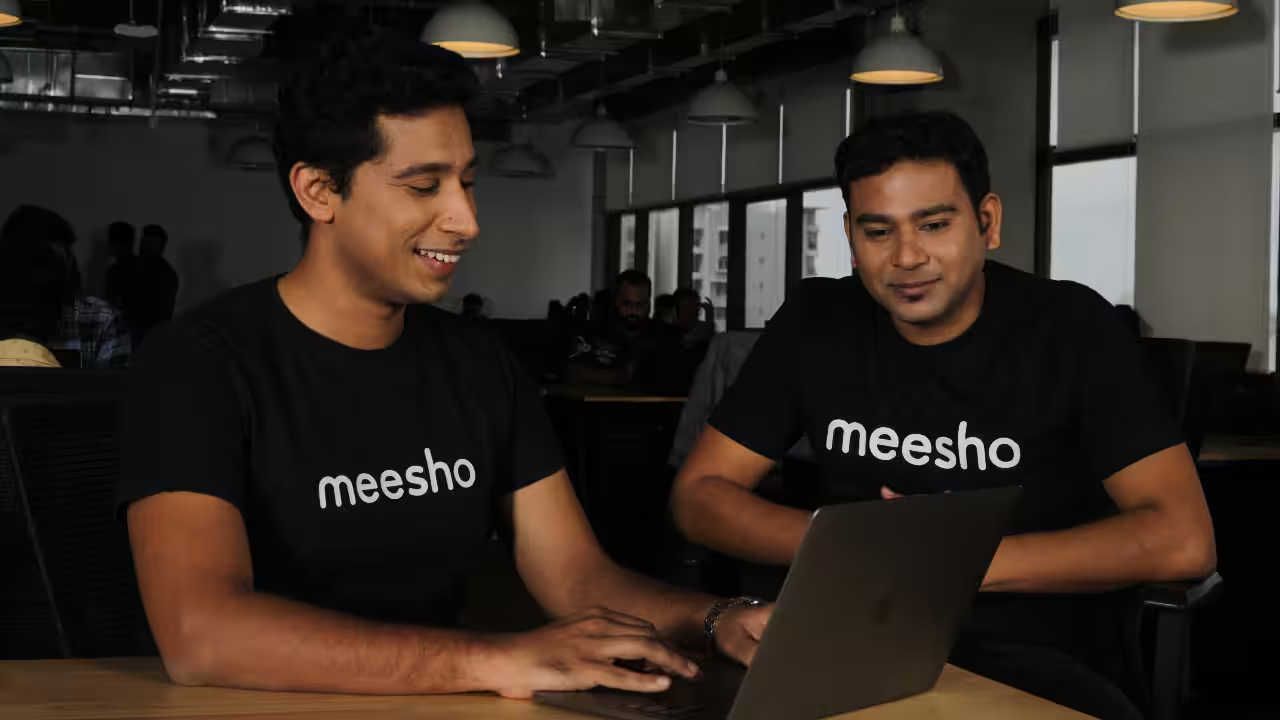
Meesho may sell affordability — but the IPO has priced its founders’ holdings at levels few can afford to imagine.
The IPO’s valuation math turned early cheque sizes into eye-watering paper fortunes.
Early backers Elevation, Peak XV and YC Continuity sit on multibagger mark-ups, with YC’s stake rising over 100x.
Meesho’s founders, however, told us in an interview that a blockbuster listing won’t rewrite the company’s operating compass.
“Nothing changes after going public,” says Vidit Aatrey, emphasising discipline in mission over market optics.
He added that Meesho still operates with a “startup attitude” — moving fast, taking bold bets and refusing to think it has “arrived.”
The founders reiterate that affordability stays the north star as Meesho enters public markets.
“Most of India cares about affordability far more than convenience,” Aatrey said, defending Meesho’s value-commerce thesis against fast-growing quick commerce players.
OFS was trimmed by nearly 40%, with early shareholders choosing to hold rather than cash out.
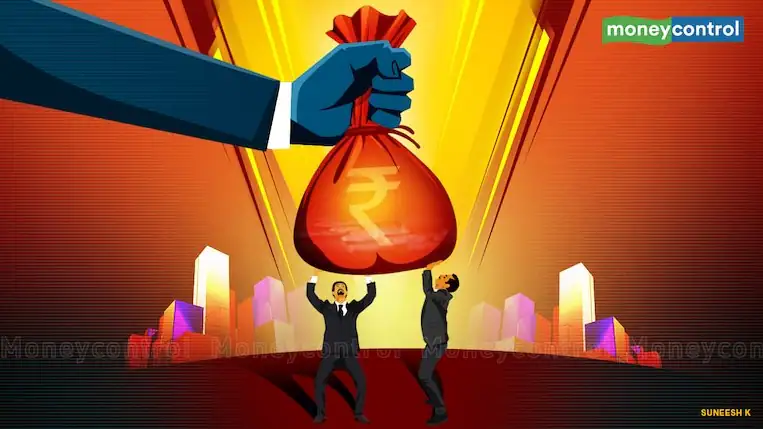
Investors seem to be crawling back into consumer bets, literally. For now, baby-care startups are getting all the attention – and the cash.
Barely three months after their seed funding, several baby care-focused startups are back in the market and are finalising rounds. Sources have said:
These companies deal in accessories, toys and related categories. Their pace of funding is similar to what happened with other quick commerce players.
The growth at Ozi and Peeko – and in the larger rapid delivery space – has made even ecommerce giants like FirstCry take notice.
“…quick commerce has led to an increase in consumer expectations when it comes to on-time delivery and faster delivery of goods being shipped online…,” Vivek Goel, chief business officer, FirstCry told analysts while announcing Q2 results.
Apart from toys, games and clothes for babies, companies dabbling in other sectors that cater to babies are a hit among investors.
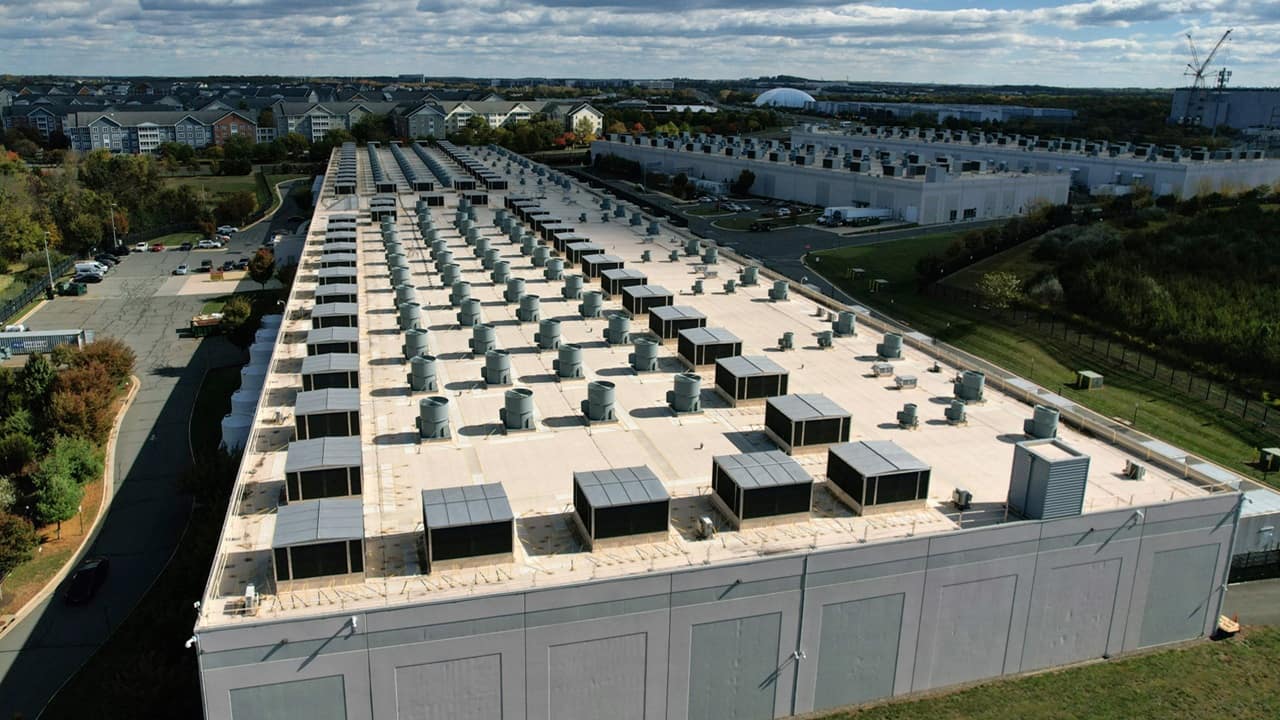
India is fast becoming a global hotspot for AI data centres as tech giants race to build the infrastructure needed to expand in one of their fastest-growing markets.
Why it matters? India generates nearly 20% of the world’s data but hosts only about 3% of global data-centre capacity — a gap that’s drawing billions in new investment.
In 2025 alone, India saw massive FDI inflows, the biggest being Google’s plan to invest $15 billion to set up a gigawatt-scale “AI data-centre campus” in Vizag.
AI workloads require thousands of energy-intensive GPUs, consuming about 8–15X more power than traditional data centres.
Yotta’s NM1 data centre in Navi Mumbai currently hosts the largest GPU cluster in the country, with nearly 70% of India’s installed GPUs, CEO Sunil Gupta said.
While the investments run into billions, direct job creation is limited.
Industry experts note that most employment gains are indirect, driven by new tech and service jobs emerging around these data-centre ecosystems.
By 2030, India will need an additional 45–50 million sq. ft. of real estate and 40–45 terawatt-hours of power to meet the demand from upcoming data-centre expansions.