
Upskilling India’s Gig Workforce – BW People

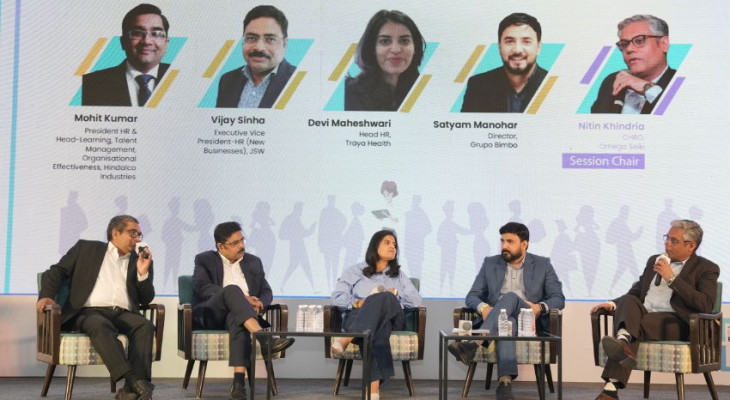

India’s expanding gig economy is reshaping workforce structures across logistics, mobility, manufacturing and digital services. Yet the scale of opportunity is matched by a pressing challenge: how to upskill a workforce that is largely deskless, mobile and structurally informal.
Industry leaders at the BW People Festival of L&D argued that structured learning ecosystems, portable credentials and financial capability building are essential to strengthening both earnings and long term stability for gig professionals.
Mobile Learning And Skill Passports
With over 15 million gig workers in India, nearly 60 per cent engaged in delivery, ride hailing and freelance digital assignments, conventional classroom training models are proving inadequate.
Mobile first, bite sized modules delivered through smartphones are emerging as the most viable approach. Complementing this shift is the growing emphasis on portable credentials, often referred to as skill passports, which allow workers to carry verified competencies across platforms and employers.
Early evidence suggests structured upskilling initiatives can raise wages by 30 to 40 per cent and improve platform retention by nearly 25 per cent, underscoring the economic logic of investing in gig talent development.
Integrating Gig Talent Into Core Business
Mohit Kumar, President HR and Head of Learning, Talent Management and Organisational Effectiveness at Hindalco Industries, emphasised that gig workers form a critical operational backbone. With nearly 30,000 gig professionals engaged, he noted that structured training directly influences performance outcomes and service quality.
Ensuring capability enhancement, he argued, is not a peripheral initiative but a business imperative tied to productivity and delivery standards.
From Crisis Response To Strategic Model
Reflecting on post pandemic workforce transitions, Vijay Sinha, Executive Vice President HR New Businesses at JSW Group, explained that gig engagement initially emerged as a response to redeploy underutilised permanent staff. It has since evolved into a structured workforce strategy.
Sinha highlighted the need for stronger government backing, formal skill frameworks and gig welfare trusts to cushion financial volatility. He also pointed to a growing trend of professionals in their 30s and 40s opting for consulting and project based roles, signalling the mainstreaming of nonlinear careers and parallel income streams.
Recognition And Inclusion
Devi Maheshwari, Head HR at Traya Health, urged organisations to treat gig professionals as integral contributors rather than transactional resources.
Gig workers frequently manage core responsibilities and serve as the public interface of brands, yet often lack parity in recognition and inclusion. Flexible arrangements and diversified income opportunities, she observed, are now central to workforce expectations.
Monetising Skills For Stability
Offering a personal perspective, Satyam Manohar, Director at Grupo Bimbo, recounted his experience working as an Ola driver to understand the realities of gig life. The financial unpredictability and absence of structured growth pathways, he noted, underscore the urgency of systematic upskilling.
Formal skill monetisation frameworks can enhance income stability, improve efficiency and create mutual value for platforms and workers alike.
Building An Agile Learning Ecosystem
For India’s gig economy to mature sustainably, learning models must combine technical capability, financial literacy and behavioural skills. Portable credentials, policy support and inclusive organisational practices will determine whether gig work remains precarious or evolves into a viable, secure career pathway within an agile Learning and Development landscape.