What we really want from work life in 2026



The old idea of showing up to an office five days a week is no longer the default setting. Instead, flexibility has become the new expectation.
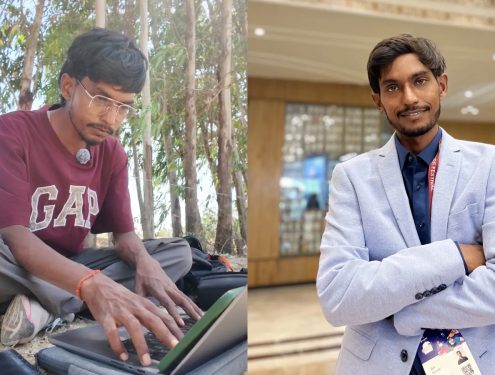
Image credit : X | Despite the WFH glow-up, office spaces still have their moment.
Working from home is not just about comfort, it is about control. Gen Z prefers environments where they can design their own routine, skip exhausting commutes, and actually have time left for life outside work.
There is also the money factor. Fewer travel costs, fewer impulsive office lunches, and no relocation stress make remote work feel like a practical choice.
On top of that, being able to work from literally anywhere adds a sense of freedom that traditional offices cannot match.
Despite the WFH glow-up, office spaces still have their moment. There is something about in-person interactions that just cannot be replicated on a screen.
Offices offer structure, spontaneous conversations, and the kind of learning that happens by simply being around experienced colleagues. It also helps with visibility, which still matters when it comes to growth.

Image credit : AI generated via ChatGPT | This balance allows them to stay productive without feeling tied down, while still benefiting from collaboration and connection.
If there is one clear winner, it is the hybrid model. It gives Gen Z the best of both worlds, flexibility to work from home and the option to show up when it actually matters.
This balance allows them to stay productive without feeling tied down, while still benefiting from collaboration and connection.

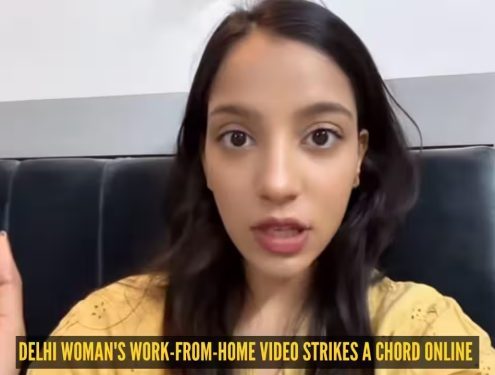
Image credit : X | The old idea of showing up to an office five days a week is no longer the default setting. Instead, flexibility has become the new expectation.
WFH is not entirely effortless. It can get isolating, boundaries can blur, and communication sometimes feels like a never-ending chain of messages.
Without clear separation between work and personal time, it becomes easy to feel like you are always “on”.
It is not about choosing one over the other. It is about having options.
Gen Z is not chasing a fixed work model. They are choosing flexibility, balance, and a setup that actually fits their life, not the other way around.