1 in 3 Gen Z Indians Is Sitting at Home. The Problem Isn’t a Lack of Skills, Finds NITI Aayog Report


This does not mean that they are happily sitting at home, whiling away their time. Women in India do backbreaking housework, for much longer hours than men work outside the home. Most of them don’t have the opportunity to work outside, because they have to look after their family.
Even those who get educated and trained, and want to work, find it difficult to get good jobs, because of active discrimination in the recruitment process. Nearly half of female graduates and diploma holders were in the NEET category in 2025. And out of the female graduates who are seeking jobs, nearly 30 percent were unemployed. The proportion would cross 50 percent if one took CMIE’s stricter employment criteria.
The NITI Aayog’s researchers believe that this NEET—Not in Employment, Education, or Training—problem among India’s young is because of a training mismatch. Young people, even those who are graduates or hold professional degrees, lack the kind of training and skilling that Indian industry is looking for.
If anything, we have a problem of over-training. Take those who trained at the various Industrial Training Institutes (ITIs) in the country. A 2024 study by the Ministry of Skill Development and Entrepreneurship showed that 50 percent of ITI graduates were unemployed, up from 36.5 percent in 2018. We are churning out trained people with trade skills but our economy—especially the manufacturing sector—is unable to absorb them.
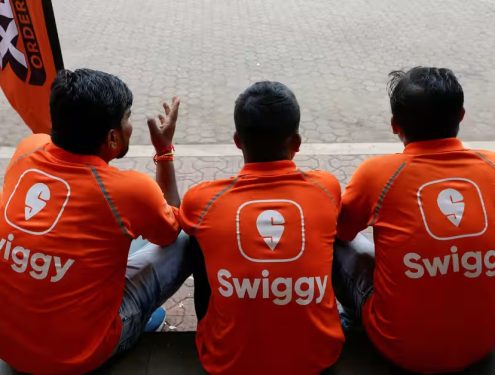
Perhaps young people who get such training don’t accept such industrial work because of the low pay. Driving an Uber fetches more than working as an industrial plumber in a large Indian manufacturing company.
India’s young are sitting at home not because they are untrained or unskilled. Training and education haven’t got them the jobs they wanted. And when it comes to young women, they are out of schools and colleges and the workforce because, more often than not, they are forced to stay at home and look after their families.
(The author was Senior Managing Editor, NDTV India & NDTV Profit. He tweets @Aunindyo2023. This is an opinion piece. The views expressed above are the author’s own. The Quint neither endorses nor is responsible for them.)