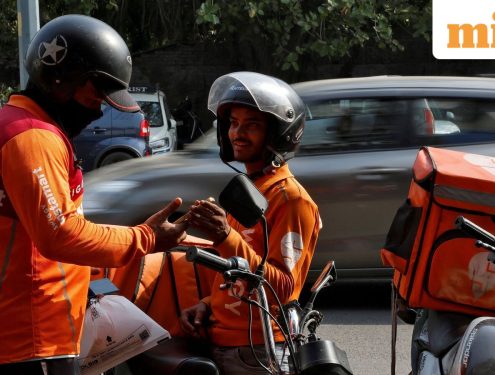
Gig Workers Bear the Hidden Cost of Rising Temperatures

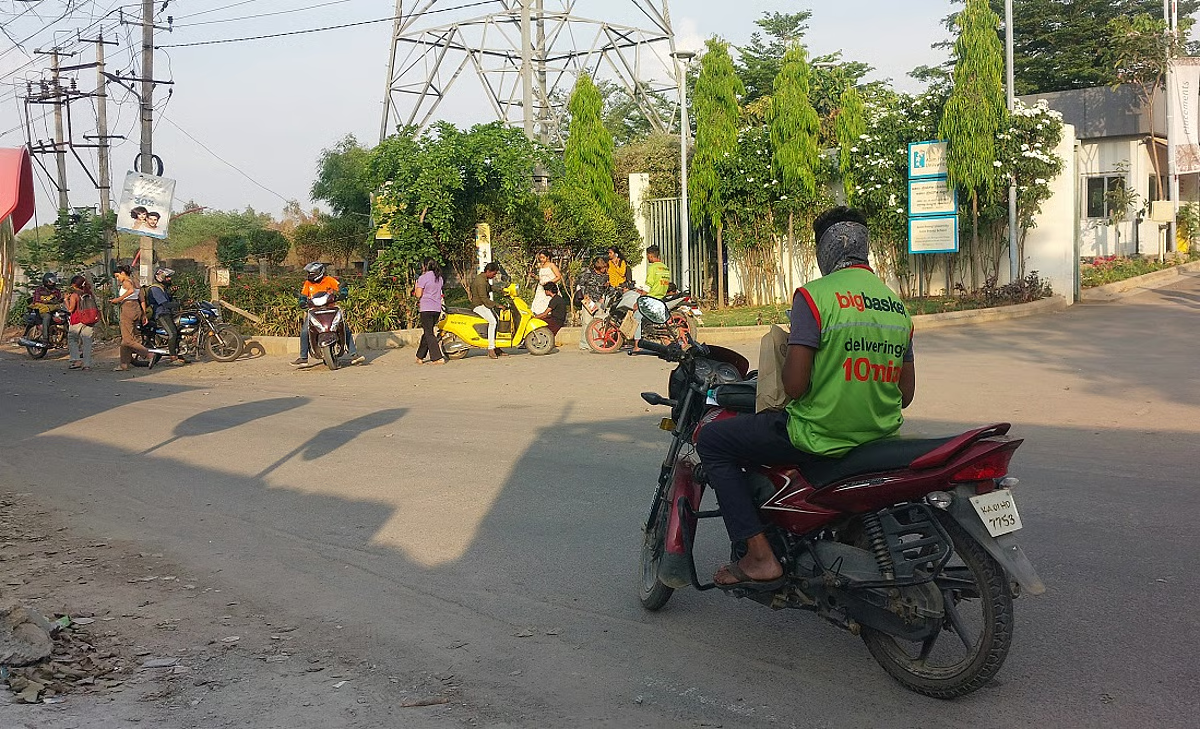

Under the harsh April sun in Bengaluru, Shiban waits in the shade between deliveries, battling intense heat and headaches, to hit the delivery targets and earn incentives.
Shiban, a 28-year-old migrant from Assam, works as a delivery worker during the day and works as security guard at night. He says, “I get frequent headaches, heat rashes on the skin, feel dehydrated, sweating due to the heat.’’ Shiban earns between Rs 25,000 and Rs 30,000 by doing both the jobs. Currently, there are no incentives during excess heat according to him.
In August 2025, Karnataka passed Platform-Based Gig Workers (Social Security and Welfare) Act, 2025. In January 2026, Karnataka Platform-Based Gig Workers Welfare Development Board was established to provide social security and address the issues of the gig workers in Karnataka. Despite these emerging protections, climate risks such as heat waves remain largely unaddressed.
Bengaluru city is known for its unpredictable weather. According to Prakash Chauhan, director of National Remote Sensing Centre (NRSC), Indian Space Research Organization (ISRO), Bengaluru, temperatures have increased by 1.5 degrees over the past two decades.
According to the India Meteorological Department (IMD), the temperature of the city is between 35°C and 37°C. A heat wave was declared between April 11and April 15 due to increased heat caused by strong solar radiation and low humidity that resulted in temperatures to be above normal during the day.
Gig workers are vulnerable to extreme heat because they spend most of the time travelling outside and are exposed to severe heat conditions. This causes various health risks such as dehydration, headaches, heat stroke, heat rashes and exacerbate co-morbidities. According to the NITI AYOG report 2022, the gig workforce is estimated to grow around 23.5 million workers by 2029-30. This rapidly growing workforce requires protection from climate risks.
Shiban mentioned that he delivers during extreme heat to earn money. He says “I migrated to Bengaluru to earn money. I can’t sit at home. I do both the jobs to feed my family.”
He earns incentives of Rs 500 or more in a day if he hits the delivery target. “I lose my incentives if I take breaks due to headaches or exhaustion during the delivery time.”
In 2023, Zomato chief executive Deepinder Goyal announced ‘Shelter Project’. The rest points arranged under this project offer facilities like drinking water, high-speed internet, access to washrooms, phone-charging stations, and first-aid support.
While this move received appreciation across the country, the reality is different. There are only two rest points in Bengaluru, which can be traceable through Google Maps. And most of the delivery workers are not aware of this initiative. Even if they are aware, the rest points are insufficient.