Brutal AI Cover-Up Exposed 2026

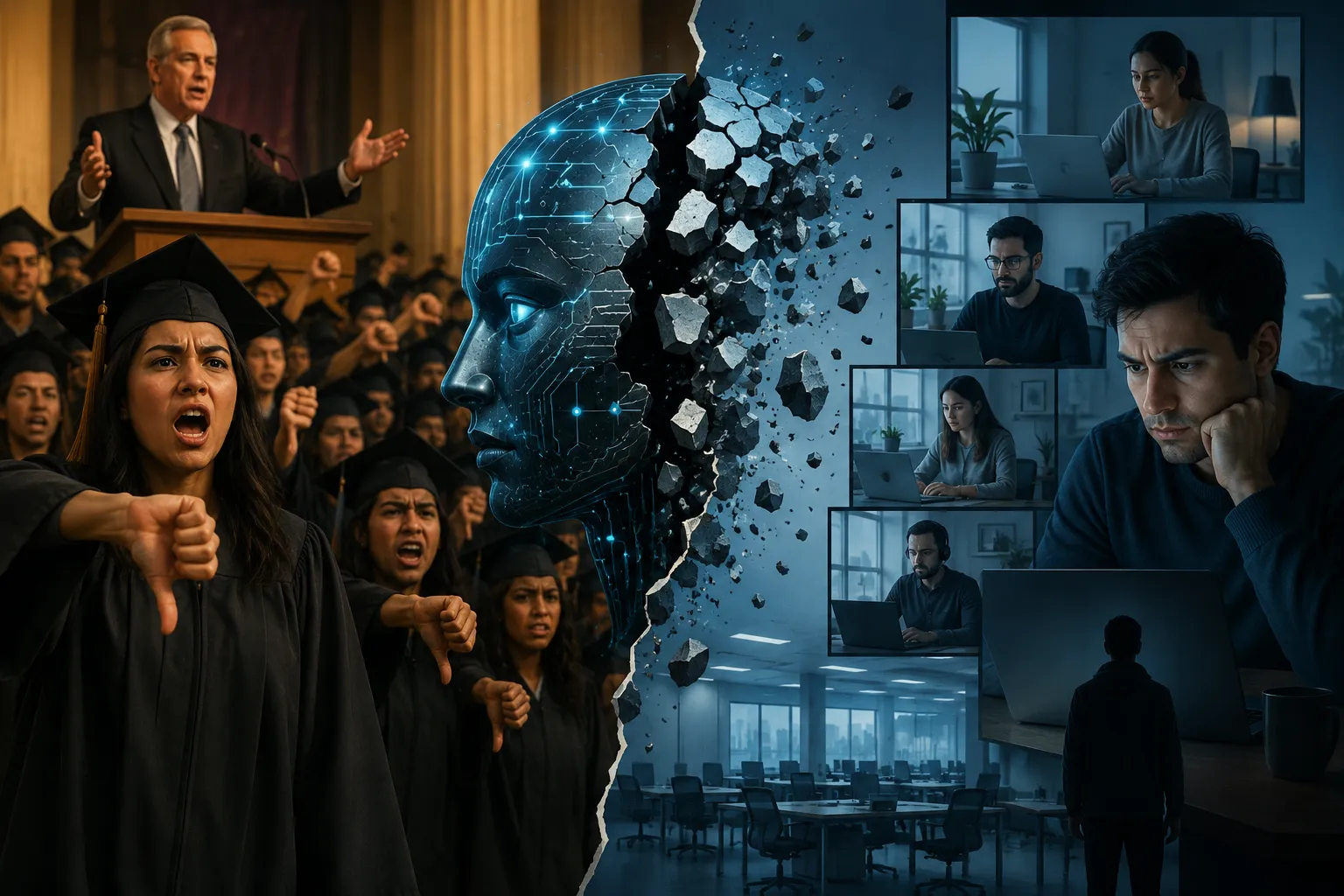

WFH Kills 243M Grad Jobs: Recent college graduates are regularly booing commencement speakers who praise artificial intelligence. Facing a brutal job market where youth unemployment is climbing toward recession-era levels, the class of 2026 points to AI as the primary culprit eating their entry-level prospects. However, fresh economic data suggests the real villain might be hidden in plain sight: the persistent culture of working from home (WFH).
Two major studies released this week by the Federal Reserve Bank of New York and the London School of Economics indicate that remote work policies—not automated code or algorithms—are the true driving force behind the historic freeze in graduate hiring, severely disrupting traditional corporate training and early-career mentorship networks.
The London School of Economics (LSE) study analysed data comprising 243 million new hires and 407 million online job postings between 2017 and 2025 across the US, UK, Canada, and Australia. While a sharp decline in graduate hiring since 2022 initially correlated with sectors adopting AI, the reality changed when researchers controlled for remote work.
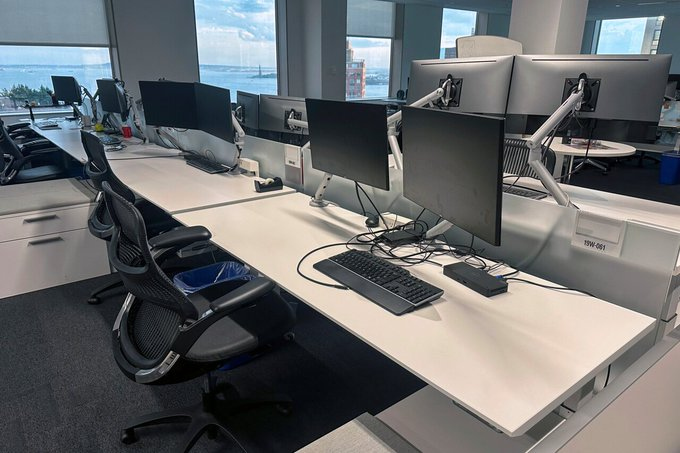
White-collar, knowledge-intensive roles are heavily exposed to AI, but they are also the most amenable to home setups. Once WFH variables were factored in, the statistical impact of AI on hiring numbers dropped to negligible levels.
Key Finding: The New York Fed study independently backed this conclusion, calculating that remote work arrangements are responsible for roughly 64 per cent of the recent surge in unemployment among young college graduates.
The core issue stems from the high corporate cost of managing entry-level personnel in a distributed, remote network. In private conversations, senior executives openly acknowledge the friction:
Training Deficits: Junior staffers working in isolation receive less spontaneous feedback, lowering early-career productivity.
The Cost Asymmetry: While initial remote arrangements appeared cheaper for both parties, companies find remote onboarding of inexperienced staff expensive and inefficient.
Skill Gaps: Isolated workers miss critical exposure to negotiation, client management, and corporate navigation—skills that remain entirely safe from AI replication.
The trend has fundamentally altered hiring patterns. Data from a Fortune 500 firm highlighted in the research showed a distinct shift: when offices closed, the company cut back heavily on inexperienced youth, opting instead for seasoned professionals who required no hand-holding. Once strict Return-To-Office (RTO) mandates were introduced, the pipeline for younger candidates immediately reopened.
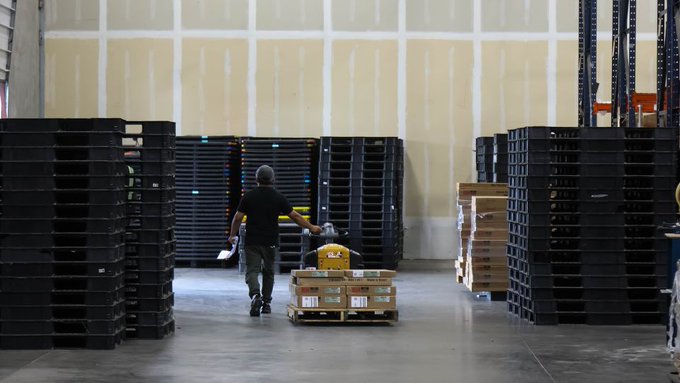
Industry analysts note that tech executives frequently cite AI capabilities during mass layoffs to project forward-looking efficiency to shareholders. In practice, many firms are using automated technology as a convenient cover for standard, cost-cutting measures driven by broader financial pressures.
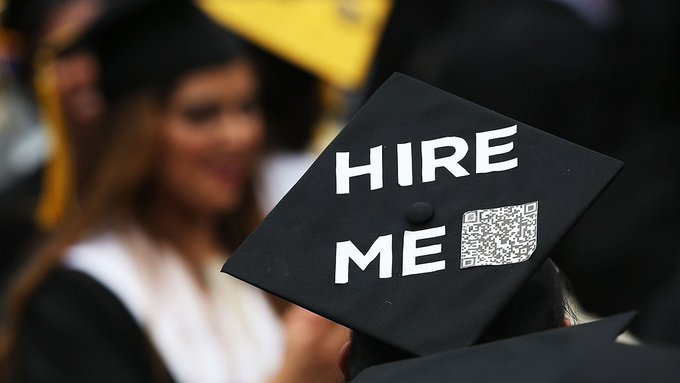
For middle management, blaming a generic tech revolution is often easier than enforcing a controversial return to physical desks among senior, reluctant staff members who prefer remote flexibility.
The immediate takeaway for the current batch of job seekers remains practical rather than systemic. While policy debates continue over hybrid frameworks, entry-level candidates are increasingly advised to target companies that maintain active, daily office hubs. Entering a physical workplace remains the most reliable mechanism to secure the face-to-face mentorship necessary to survive an increasingly competitive white-collar market.
Also Read: ROBBING THE PRESS! NYT Boss Slams Tech Giants for ‘Brazen Theft’ of News