
Nilekani: Small Businesses to Drive India”s Future Jobs: Rediff Moneynews

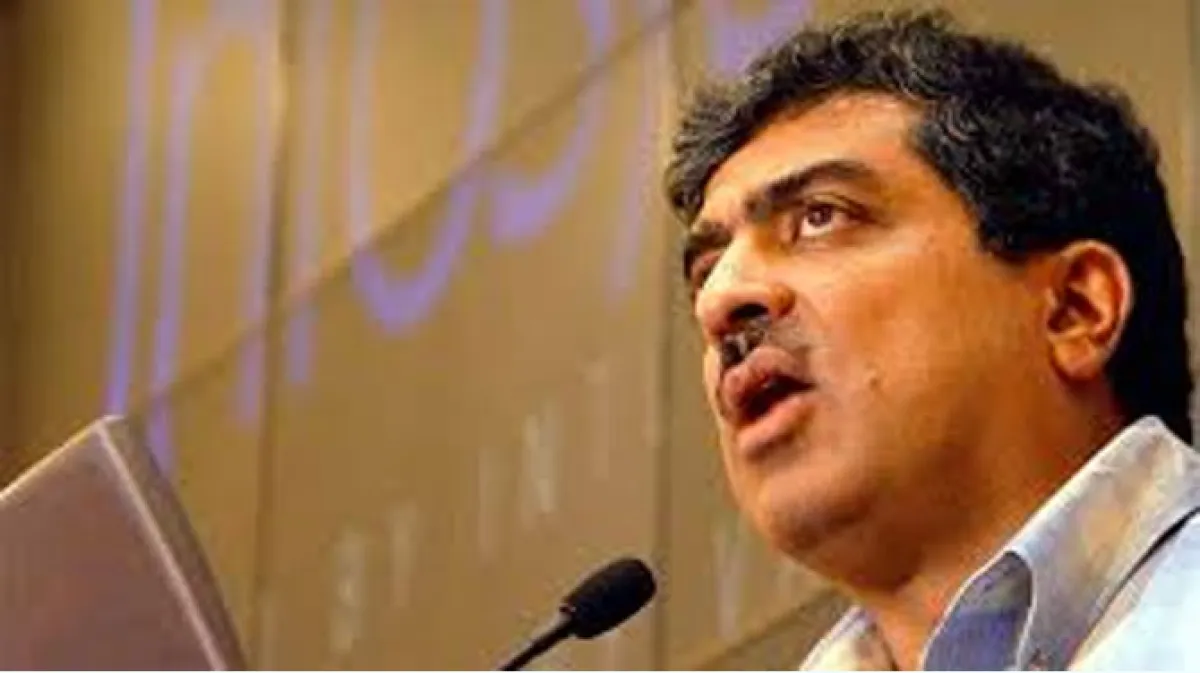

Nandan Nilekani predicts large firms will lose jobs due to AI. Small businesses will be India”s main employment engine, requiring deregulation & digital support.
Speaking at the NCAER India Policy Forum 2026, Nilekani, who is also the Chairman of the Board of Governors of NCAER, called for a fundamental shift in the “mental model” of how India views job creation.
“Large companies, which are very well structured, will actually be the most vulnerable to job loss, because every job is reduced to a few set of tasks. It’s also easy to automate that and remove jobs. So, large companies actually will probably be net job losers in the coming years,” Nilekani said.
In contrast, he argued that the future of the Indian economy lies in its “millions of small businesses”, which are more resilient to the disruptions caused by AI.
“If you’re millions of small companies, it’s far more complicated to use AI to motivate them… they are actually more resilient or more impervious to job losses. And they will create more jobs,” he added.
Nilekani noted that rather than expecting a few companies to hire a million people, the economy will grow because “a million companies have one person each”.
He projected that India is on track to reach one million startups by 2035, a significant jump from the 1,50,000 currently in existence.
To support this transition, Nilekani emphasised the need for large-scale deregulation and simplified business interfaces. He noted that small entrepreneurs must be protected from being overburdened by regulation and provided with easier access to capital and markets through digital systems such as the RBI’s Account Aggregator and the Open Network for Digital Commerce (ONDC) platforms.
“We really have to rethink how job creation will happen,” Nilekani said, adding that the traditional notion of a worker joining a company and staying for 40 years is becoming obsolete. He advocated for “portable benefits” and “portable credentials” to support a workforce that will increasingly operate within a gig economy and switch jobs frequently.