‘From full-time job to 3 days a week’: HR professional shares why she chose ‘rewirement’ over early retirement



“A few years ago, my husband, Michael, and I started losing friends who were around our age,” Cheng-Cimini said. Three of those friends died from pancreatic cancer, an experience that pushed her to think more seriously about her own life and future.
Also Read: Ex-C-suite executive shares how a HR mistake gave her a Rs 50 lakh pay hike and all-paid MBA
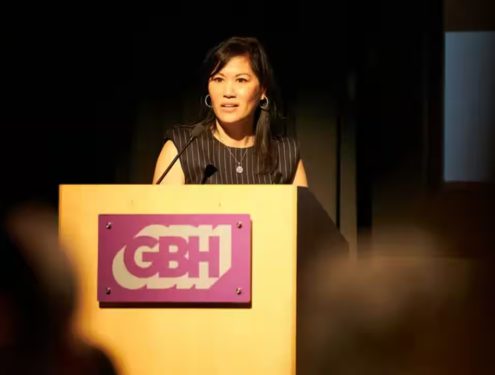
“I’d been working full steam ahead for 30 years,” she said, recognising that it was time to step back and reassess her priorities. According to Business Insider, she was serving as chief HR officer at Harvard Business Publishing at the time. Although she enjoyed the role, its demands frequently extended beyond the workplace. “I didn’t know how to compartmentalise. I brought work home psychologically, emotionally, and, to some degree, physically,” she said.
She also came to recognise that she had been neglecting her own wellbeing throughout her career. After considerable reflection, she resigned from the position in December 2024.
While some viewed her decision as a form of early retirement, Cheng-Cimini was not ready to step away from her career altogether. “I wasn’t ready to go the full nine yards and quit my career,” she said, and instead began searching for a role offering greater flexibility.
She secured a part-time chief HR officer position at the Chronicle of Philanthropy, joining the organisation in January 2025 to work three days a week. The role allows her to remain professionally active while continuing to receive benefits, including health insurance, a 401(k) contribution and paid time off. The setup benefits both sides: Cheng-Cimini gets to apply the expertise she built over three decades, while the organisation gains an experienced HR leader without a full-time commitment.Also Read: Lululemon founder Chip Wilson files for divorce from wife Shannon Wilson: How much of his $6.1 billion wealth could ‘Summer’ get?
Her reduced schedule has also opened up time for mentoring younger professionals. She regularly hears from people through LinkedIn and can now make time to speak with them, rather than trying to squeeze mentoring into an already packed schedule. “I felt that I should pay it back by paying it forward,” she said, reflecting on the scarcity of female Asian leaders she could look up to early in her own career.
She also serves as an unpaid adviser to several HR start-ups, helping entrepreneurs assess their ideas and better understand the market.
Outside of work, Cheng-Cimini and her retired husband have been dedicating more time to travel, recently completing a long-planned trip down the Nile aboard a century-old steamship.
She intends to continue in her part-time role for as long as the organisation wants her, while remaining conscious that she now has fewer years ahead of her than behind her, a realisation that has reshaped how she thinks about work and free time. “Wednesday afternoon comes along, and I’m ready to shut down my laptop after three days of work that stimulates my brain,” she said.
For Cheng-Cimini, “rewirement” does not mean giving up work altogether. Rather, it allows her to remain professionally engaged while making more space for travel, mentoring and the things that matter most to her.