
Agriculture ministry enforces work-from-home, carpooling, and energy saving to cut costs

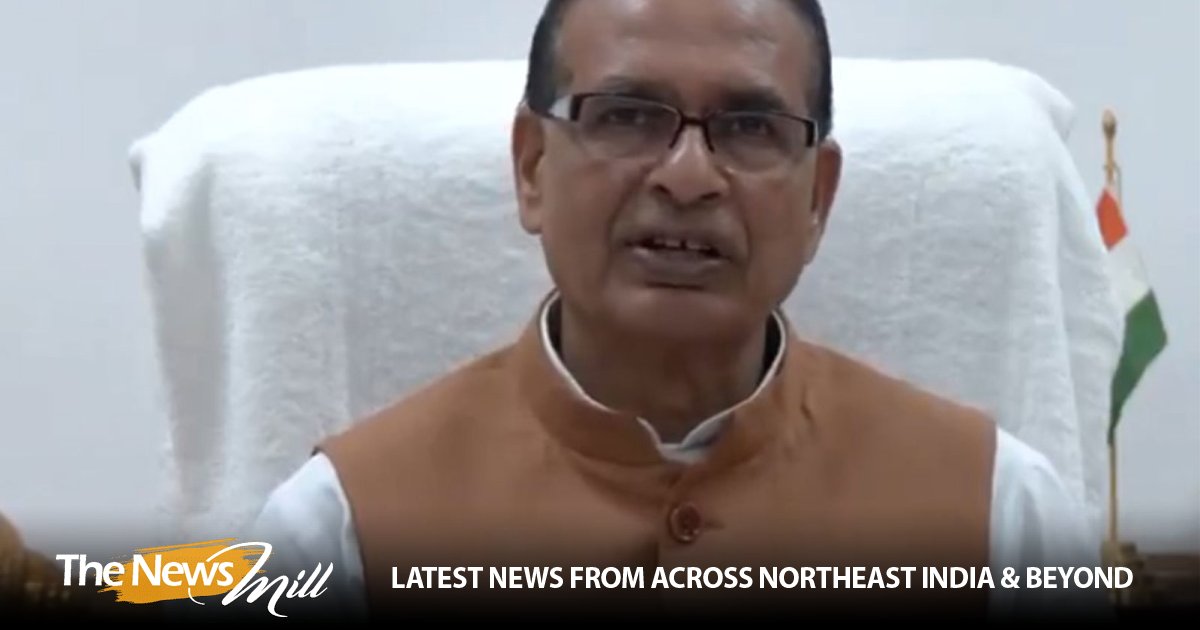

Union Agriculture and Farmers’ Welfare Minister Shivraj Singh Chouhan announced a range of cost-cutting and resource conservation measures on Monday, following a review meeting with officials from the Agriculture Ministry, Rural Development Ministry, Indian Council of Agricultural Research, and other departments.
These measures align with Prime Minister Narendra Modi’s call for frugality, self-reliance, and prudent national resource use, officials stated.
One key voluntary pledge agreed upon by officials is to abstain from purchasing gold for one year except in unavoidable personal or family circumstances such as weddings. Minister Chouhan described this as “a serious response to Prime Minister Narendra Modi’s appeal and an example of personal restraint in national interest,” emphasising that it is a moral-social pledge rather than a formal government order.
At the administrative level, the minister confirmed that forthcoming zonal conferences in Guwahati and Visakhapatnam will be held virtually rather than physically, reducing travel, accommodation, venue, and logistics expenses without disrupting dialogue with states and stakeholders.
Addressing the media, Chouhan stated, “Electricity conservation in offices has also been prioritised and directed that lights, fans, ACs, computers and other equipment be switched off when not required, and it has been decided to regulate and manage the use of air conditioners and other electrical appliances to prevent unnecessary electricity consumption.”
He added that a rotational work-from-home arrangement will be implemented for approximately 20 per cent of employees, ensuring that such arrangements do not affect file disposal, meetings, coordination, state-related work, or regular office functioning. Employees working remotely will remain accessible via phone, email, video conferencing, and e-office.
To reduce fuel consumption and improve public resource use, Minister Chouhan said the ministry will enforce a carpooling system one day a week, extending to employees up to the director level. The ministry also targets reducing vehicle use by one-third, aiming to lower fuel costs, vehicle maintenance, and driver-related expenditures.
He further explained that government tours and meetings will be more controlled and need-based. “Only essential tours will be undertaken, and wherever possible, reviews, consultations and meetings will be conducted through video conferencing to prevent unnecessary travel by large groups and to reduce expenditure,” he said.
An important point discussed was the consumption of edible oil. “The ministry has decided to launch a special public awareness campaign for balanced and healthy use of edible oil so that excessive consumption is reduced, there is a positive impact on health, and the goal of reducing the country’s dependence on edible oil imports is strengthened. The ongoing mission to increase domestic production of edible oil and oilseeds will be made more effective,” Chouhan added.
Regarding agricultural practices, Chouhan stated, “Natural farming and balanced use of fertilisers will have to be taken forward together.” The Agriculture Department and ICAR have resolved to launch the “Khet Bachao Abhiyan,” under which scientists will visit villages to test soil and advise farmers on the appropriate type and quantity of fertilisers based on soil composition. The initiative aims to curb unnecessary fertiliser use and reduce reliance on imports.
The campaign will be organised across the country for 15 days from June 1. Farmers will be made aware, in coordination with state governments, to apply fertilisers as required to reduce costs and protect soil health, the minister said.
Preparations for the Kharif season are linked to this strategy. The Kharif Conference on May 28 and 29 will place special emphasis on balanced fertiliser use. A separate session will focus on promoting natural farming, with Gujarat Governor Acharya Devvrat invited to share practical and inspiring experiences, according to Chouhan.
He stressed that, given current global circumstances, “even small steps can yield large national results.” Savings, restraint, and prudent resource use, the minister said, “are not only an economic necessity but also a national responsibility,” assuring that farming, food security, nutrition, and farmers’ livelihoods will not be compromised.
The decisions were made against the backdrop of Prime Minister Modi’s seven appeals encouraging citizens to contribute to economic resilience by reducing reliance on imported fuel and adopting environmentally sustainable alternatives amid the West Asia conflict.