Bihar faces shortage of 83 IAS officers and repeated land survey delays. S. Siddharth did not announce jobs in Education Department, risking 1 crore jobs. – Bihar News

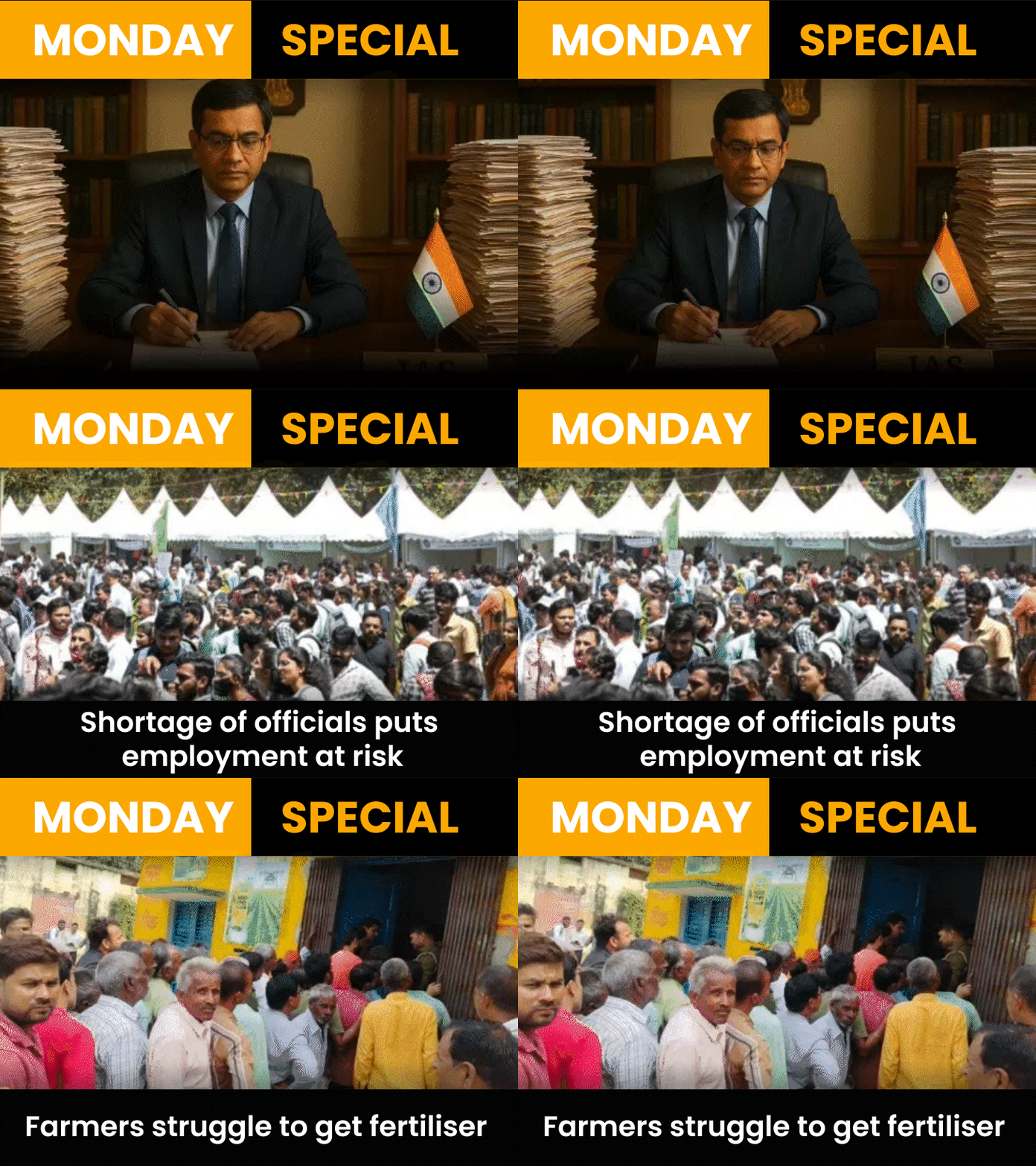

Bihar is struggling with a major shortage of IAS officers. Against the sanctioned strength of 359 posts, only 276 officers are currently working in the state — a shortfall of 83. Because of this, one officer is handling five to six major departments at a time.
This heavy workload is slowing down work across sectors, from employment schemes to development projects. The impact is directly visible on the ground. New recruitment drives are not being announced, land surveys remain incomplete, and farmers are unable to get fertiliser on time.
A clear example is the Education Department. When K. K. Pathak was in charge, nearly three lakh teachers were recruited. After his exit, S. Siddharth retired without issuing any new vacancy notifications.
This Monday Special examines the country’s premier administrative service and how its shortage is affecting Bihar. How many IAS posts are vacant? Which officers are holding additional charge of multiple departments? How is this shortage affecting everyday governance?
1 crore jobs in 5 years, but officers already overloaded
The Nitish Kumar government has set a target to provide jobs or employment opportunities to one crore youth in five years. The Chief Minister has instructed departments to fill all vacant posts within a year. But with officers already overburdened, as seen in the slow pace of teacher recruitment, meeting this target will be a major challenge.
359 posts sanctioned, only 276 officers in service
Bihar requires 359 IAS officers to run government operations smoothly. At present, only 276 are available. A total of 308 IAS officers have been allotted to the Bihar cadre. Of these, one officer retired on 30 November and another has gone on inter-state deputation. Thirty officers are on central deputation.
Workload rising across senior and junior levels
Due to the shortage, IAS officers in Bihar are handling multiple responsibilities. Principal secretaries of key departments such as Education, Health, General Administration and Home are managing additional departments as well. This situation extends from senior officers down to district-level postings, creating delays in routine administrative work and affecting service delivery for common people.
Impact of officer shortage: Four major examples
1. Slowdown in teacher recruitment
K. K. Pathak served as Additional Chief Secretary of the Education Department from June 2023 to June 2024. During his tenure, exams for the recruitment of more than three lakh teachers were conducted in three phases, and the process moved quickly.
After Pathak’s exit, S. Siddharth took over as Additional Chief Secretary. Along with Education, he was also handling the roles of Principal Secretary to the Chief Minister and the Cabinet Coordination Department. He remained in the Education Department for more than a year, but TIR-4 recruitment was never initiated. Ministers repeatedly said vacancies would be announced “within three months”. Siddharth was transferred on 30 August 2025, and B. Rajendra was given charge.
Why it matters:The Education Department is one of Bihar’s biggest job-providing departments. The new government has promised one crore jobs or employment opportunities, and a large share of these posts must come from this department. Delays here directly affect the state’s employment targets.
2. Land survey stuck at 25% even after 13 years
The ongoing land survey began in 2012 with around 14,000 workers. Even after more than a decade, only 25% of the work has been completed. The initial deadline was July 2025, later extended to July 2026, and then pushed to 2027.
Why it matters:Land disputes are a major cause of clashes and murders in Bihar. The survey aims to update land records and reduce disputes. Delays mean prolonged conflict and uncertainty for thousands of families.
3. Industrial development moving slowly
Bihar remains one of India’s most backward states in terms of industry. There are 58.51 lakh small factories and workshops, and industry contributes only 21.5% to the state’s GSDP. With limited industrial growth, lakhs of young people are forced to migrate for work.
Why it matters:To meet the target of one crore jobs in five years, the state must expand industrial activity. Without stronger industrial growth, large-scale employment will remain out of reach.
4. Farmers struggling for fertilisers and fair prices
Farmers often do not receive fertilisers on time and must wait in long queues at government distribution centres. Whether they grow rice or maize, they rarely receive fair prices for their produce and are often compelled to sell below MSP.
Why it matters:About 75% of Bihar’s population depends on farming. With rising costs of diesel, fertilisers and labour, farmers’ expenses have increased sharply. When crops fail to fetch fair prices, their income falls, pushing rural families into deeper distress.
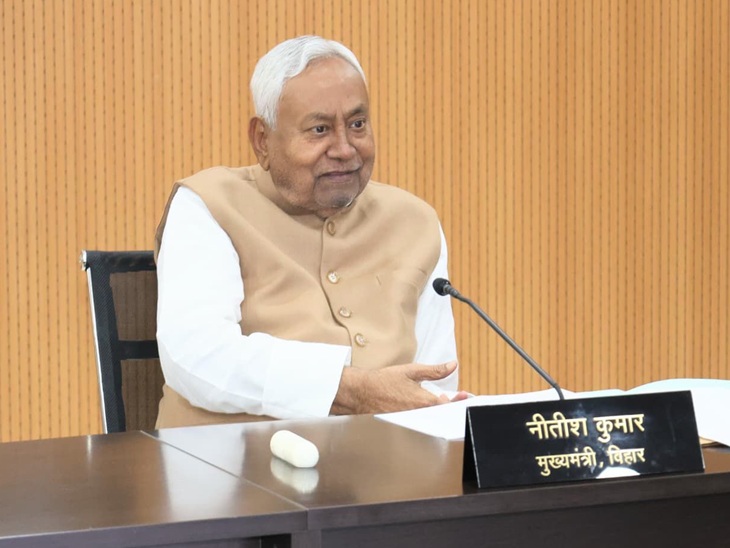
CM Nitish Kumar has asked all departments to report their vacancies.
Top 15 IAS officers facing maximum workload in Bihar
1. IAS Deepak Kumar Singh (1992 batch)
Departments: Rural Works; Revenue & Land ReformsDeepak Kumar Singh was given charge of the Rural Works Department on 13 June 2024. On 3 July 2024, he was also assigned the Revenue and Land Reforms Department. Both departments directly affect everyday life in rural areas.
Key functions – Rural Works Department:
Key functions – Revenue & Land Reforms Department:
2. IAS Mihir Kumar Singh (1993 batch)
Departments: Industries; Transport; Chief Investigation CommissionerHe is the ACS of Industries and additionally handles Transport and the role of Director General-cum-Chief Investigation Commissioner.
Functions – Industries Department:
Functions – Transport Department:
Functions – Chief Investigation Commissioner:
3. IAS Arvind Chaudhary (1995 batch)
Departments: Home; Vigilance; JEEC; General Administration (Investigation); CabinetArvind Chaudhary is handling five major departments, including the Home Department and Vigilance, making it one of the biggest workloads in the state.
Home Department:
Vigilance Department:
JEEC:
General Administration – Investigation:
Cabinet Department:
4. IAS Dr. B. Rajendra (1995 batch)
Departments: General Administration; Education; Sports; BIPARD; Public Grievances; Administrative Reform MissionHe is responsible for the state’s personnel management system and also oversees major departments like Education and Sports.
5. IAS Anand Kishore (1996 batch)
Departments: Bihar School Examination Board; Finance; Environment, Forest and Climate ChangeHe continues as BSEB Chairman and additionally handles Finance and the Environment Department.
6. IAS K. Senthil Kumar (1996 batch)
Departments: Planning & Development; Planning Council; Disaster RehabilitationHe monitors and evaluates progress of state schemes and coordinates development policies.
7. IAS H. R. Srinivas (1996 batch)
Departments: Backward and Extremely Backward Classes Welfare; Investigation CommissionerHe oversees educational, hostel and financial assistance schemes for backward communities.
8. IAS Santosh Kumar Mall (1997 batch)
Departments: Water Resources; General Administration (Investigation); Delhi Local CommissionerHe manages irrigation, flood control and embankment construction.
9. IAS Pankaj Kumar (1997 batch)
Departments: Agriculture; Food and Consumer Protection; SFC MD; Investigation CommissionerHe supervises farm schemes, fertiliser delivery and consumer protection mechanisms.
10. IAS Lokesh Kumar Singh (2003 batch)
Departments: Rural Development; Tourism; Health; Investigation CommissionerHe handles rural schemes like MGNREGA and also oversees critical functions in the Health Department.
11. IAS Anupam Kumar (2003 batch)
Departments: Chief Minister’s Secretariat; IPRD; Bihar Development Mission; Parliamentary AffairsHe manages communication, coordination and mission-related work at the highest level of government.
12. IAS Kundan Kumar (2004 batch)
Departments: Resident Commissioner (Delhi); Investment Commissioner; BIADA MD; Infrastructure MDHe coordinates with investors and manages industrial and infrastructure bodies.
13. IAS Abhay Kumar Singh (2004 batch)
Departments: Urban Development & Housing; Information Technology; BELTRON MD; Patna Metro MDHe handles urban planning, smart city initiatives and metro development.
14. IAS Ajay Yadav (2005 batch)
Departments: Commercial Taxes; Registration; Higher Education (Additional Director); Textbook Corporation MD; Beverage Corporation MD; InvestigationA mix of taxation, registration, education and PSU-related roles increases his workload significantly.
15. IAS Divesh Sehra (2005 batch)
Departments: SC/ST Welfare; Mahadalit Mission; Cooperative Development Corporation; Investigation; Mining Commissioner; State Minerals Development bodiesHe manages welfare schemes and mining operations simultaneously.
Forest and police officers posted on administrative roles
Due to the severe shortage of IAS officers, officers from the Forest Service and Police Service have been posted to administrative roles:
Officers reluctant to return from Delhi
While Bihar faces an acute shortage of IAS officers, many who go on central deputation prefer not to return. At present, 30 Bihar cadre IAS officers are posted at the Centre, further widening the gap at the state level.