
Gig workers in India can earn more than traditional employees, new report says

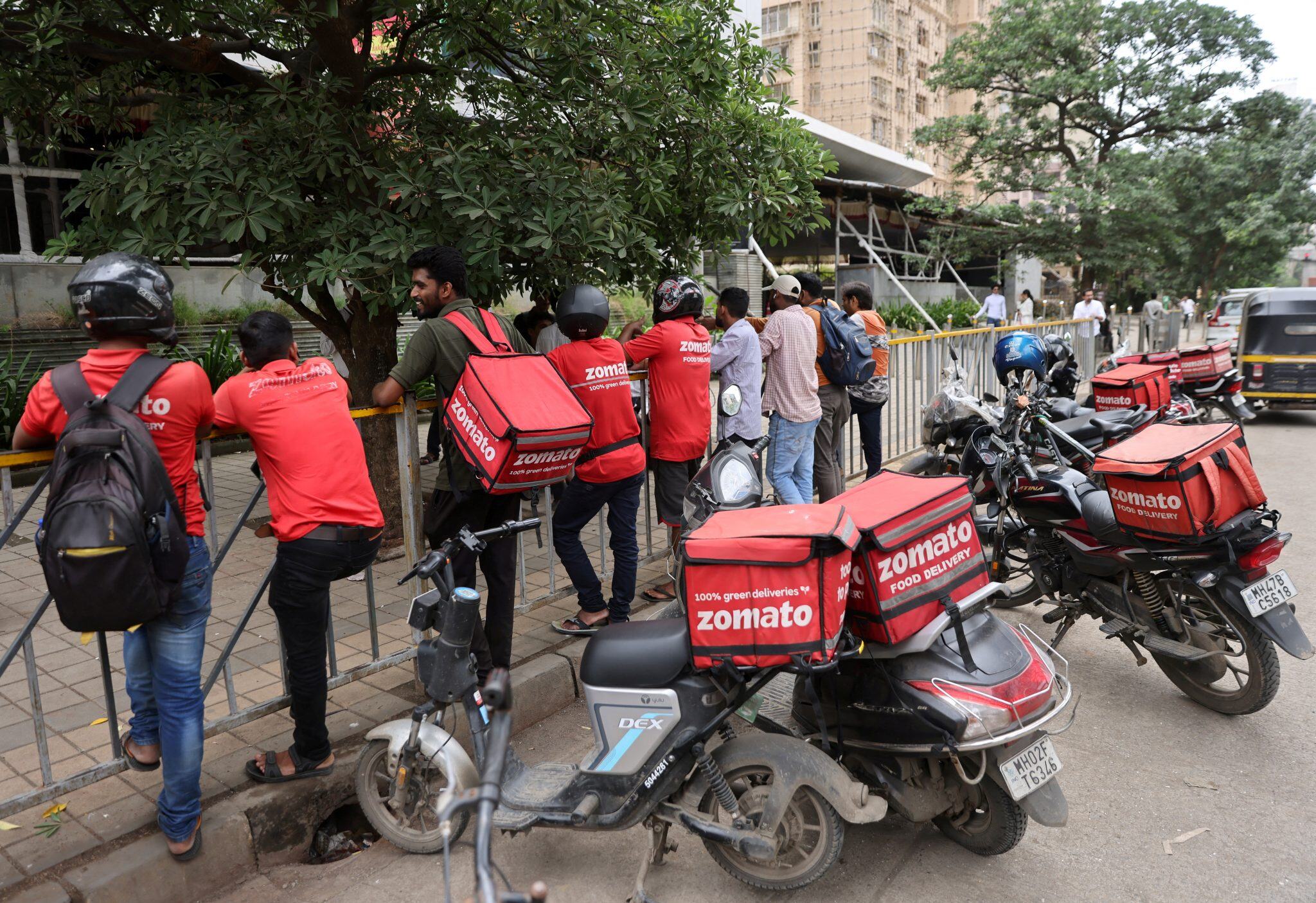

Hyderabad: A delivery rider weaving through the Hyderabad traffic or a home-service technician fixing an AC in Bengaluru might be earning more than someone in a comparable full-time office job and doing it on their own schedule.
Double the income from traditional jobs
That’s the striking finding from a new report from Redseer Strategy Consultants: full-time gig workers in India earn up to 2.5 times the monthly net income of people in similar formal and informal jobs.
It’s a number that upends the old assumption that gig work is a fallback option for those who can’t find ‘real’ jobs. Increasingly, it looks like the opposite is true.
Gig jobs set to double
According to Redseer’s report, ‘Gig Internet Workforce in India: Bridge to ~20 Million Livelihoods,’ the country’s monthly active gig internet workforce, spanning delivery, ride-hailing and home services, is set to nearly triple, growing from just over 6 million today to somewhere between 17 and 21 million by 2030.”
What makes the sector’s growth story more compelling is who’s joining it.
More than half, 54 per cent, of surveyed gig workers had no paid employment before signing up for platform work.
And looking ahead, over 30 per cent of the workers projected to join the gig economy by 2030 are expected to be first-time entrants to the workforce entirely.
Who is joining the gig force?
The report frames gig platforms as something more layered than flexible, on-demand work.
They’re functioning as an entry ramp for people with no prior work experience, a second income stream for those already employed, and a bridge for workers navigating career changes, further studies, or entrepreneurial plans.
Need for creating policy for financial protection
“The significance of India’s gig internet workforce lies in the choices it creates,” said Kushal Bhatnagar, Partner at Redseer Strategy Consultants. He added that this flexibility has made platform work relevant to a much broader section of the workforce than is commonly assumed.
He called for stronger collaboration between platforms and policymakers to broaden access to welfare and financial protection as the sector scales up.
There’s a career-mobility angle too, nearly 70 per cent of surveyed workers said their time on gig platforms had improved their future earning prospects, citing transferable skills, verifiable work history and greater visibility into other job opportunities.
Welfare measures
On the welfare front, the report notes gradual progress: platform-led benefits like accident insurance, emergency assistance and skill-development programmes are becoming more common, and the rollout of the Code on Social Security marks a step toward formal, portable social protection for gig workers.
The gap does exist
Still, the study flags a gap between the benefits that exist and how many workers actually know about or use them, particularly government-run welfare schemes.
Flexibility remains the sector’s defining trait; over 90 per cent of monthly active gig workers opt for part-time participation rather than full-time gig work, using it around other commitments rather than as their sole occupation.