
IYC to appeal for nationwide gig workers’ law following Karnataka, Telangana models

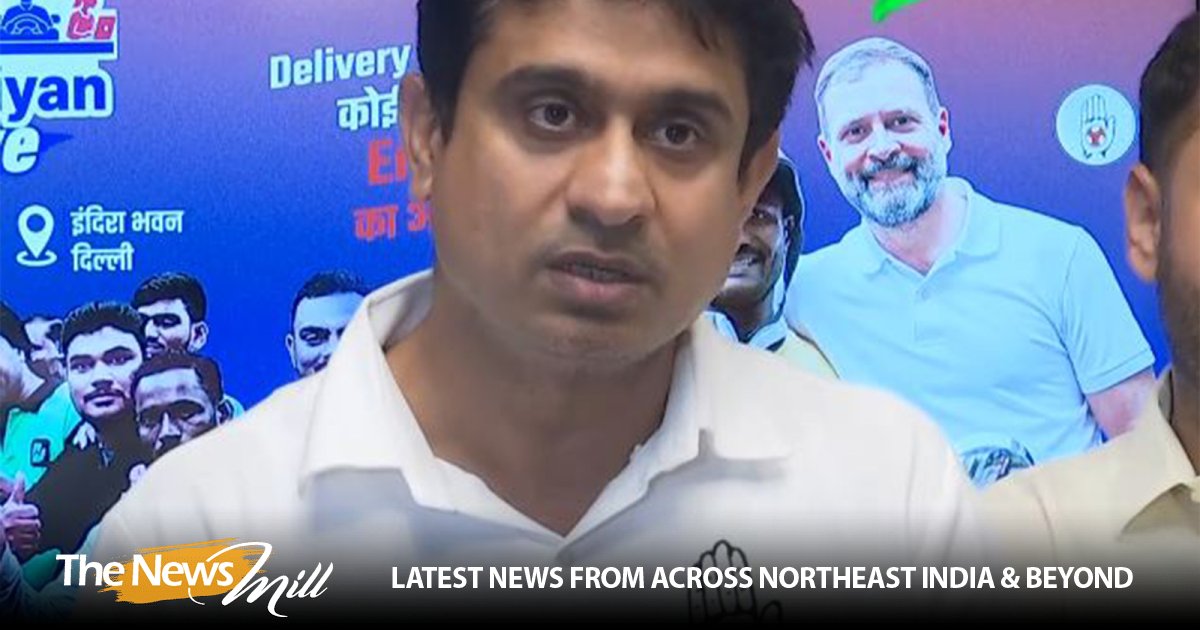

The Indian Youth Congress (IYC) held the ‘Gig Workers’ Nyay Campaign’ Conclave on May 30 at the All India Congress Committee (AICC) Headquarters, Indira Bhawan, New Delhi. The event brought together numerous gig workers engaged with different delivery platforms across the country.
Speakers at the conclave included AICC Treasurer Ajay Maken, IYC National In-charge Manish Sharma, National President Uday Bhanu Chib, and Professor Santosh Malhotra. Also in attendance were Delhi Pradesh Youth Congress President Akshay Lakra, IYC National General Secretary and Delhi In-charge Khushboo Sharma, and National Secretary and Delhi Co-in-charge Hevaran Kansana.
Uday Bhanu Chib highlighted the severe unemployment forcing millions of Indian youth into gig work. “On the surface, it appears to be an excellent job–one where you can choose your own working hours; you can work whenever you feel like it and refrain from working when you do not. However, the reality is quite different,” he said.
Chib elaborated: “In truth, more than 80 per cent of these young gig workers are compelled to work for over ten hours a day, as this remains the sole source of livelihood for their families. Yet, they receive neither fair wages nor social security, nor do they have any prospects for the future. Trapped between the chasm of unemployment and the abyss of exploitation, the lives of these young individuals are now dictated by the whims of algorithms.”
He explained that earnings, working hours, and job security are all controlled by algorithmic systems. The IYC engaged directly with more than 40,000 platform workers across over 20 cities to better understand their experiences. “The reality that emerged from these interactions is one that would compel anyone to pause and reflect,” Chib said.
Chib also revealed that after accidents, workers receive only a generic message such as “take care,” while bearing all expenses themselves. “There is absolutely no transparency regarding when payments are arbitrarily reduced or when accounts are deactivated without cause; workers are afforded no opportunity for explanation, nor any avenue for appeal. These are the very young people who, come in rain or shine, deliver our food to our doorsteps, ensure our commute, and keep our cities running 24 hours a day. Yet, when it comes to their dignity and security, we all fall silent. Do they not deserve the right to dignity and security? Absolutely, they do,” he stated.
Chib pointed to laws enacted in Telangana and Karnataka where the Congress party governs as positive but insufficient steps. “Gig work is not confined within the boundaries of a single state; delivery platforms and other aggregators operate across the entire nation. Disparate laws across different states will inevitably lead to confusion and inequality,” he warned.
Quoting NITI Aayog figures, Chib said India currently has more than 7 million gig workers, expected to reach 25 million by the decade’s end. He stressed the urgent need for a robust, national legal framework. “We will continue to engage in dialogues with workers in even more cities,” he added.
On behalf of gig workers, Chib demanded the government recognise gig workers as employees, provide social security coverage, ensure fair pay per delivery, end arbitrary account deactivations, and offer insurance, pension benefits, and dignity. “These individuals do not merely seek ratings; they demand their fundamental rights. Algorithmic exploitation must cease, and a strong, comprehensive national law for gig workers must be enacted,” he concluded.