
Fighting precarity and a phantom boss, gig workers join wider labour unrest | Business News

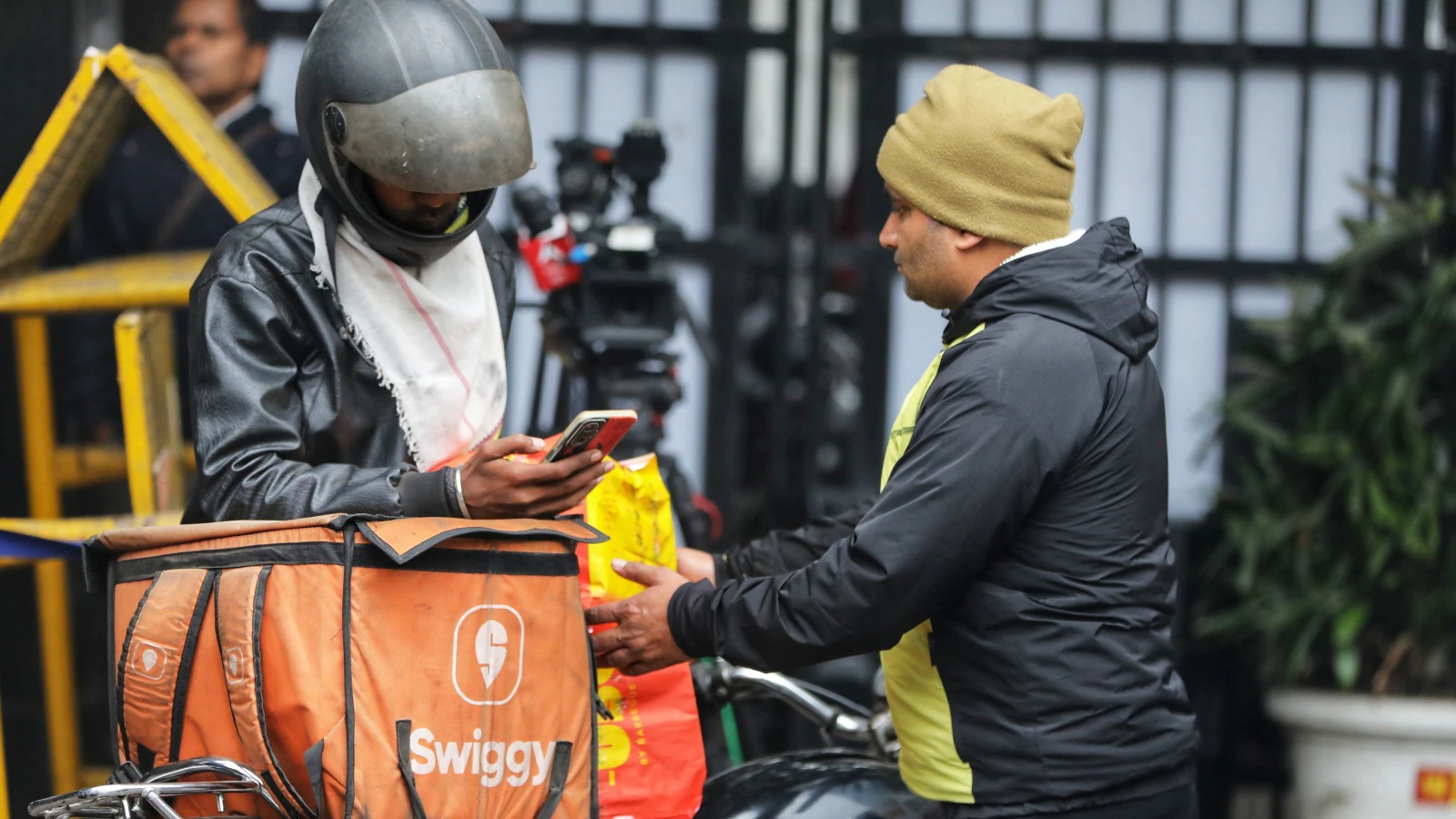

As a broader wave of labour unrest sweeps across India, a quieter but significant protest unfolded on its margins, as gig workers – among them women workers from Urban Company and delivery riders powering the country’s quick-commerce boom – downed tools to press for fairer pay and basic protections. Their action, less visible but no less urgent, reflects a growing assertion among platform workers that the promise of flexibility cannot come at the cost of dignity, even as the wider movement gathers momentum.
Many things have led them here, but two stand out: the deepening precarity of gig work, and the rise of a ‘phantom boss’ that governs it. For years, platform workers have operated in a legal grey zone, with little by way of protections and guarantees of grievance redressal, even as the sector has expanded rapidly. At the same time, the algorithm, deciding everything from job allocation to ratings and incentives, has become an unseen supervisor, shaping incomes and working hours in ways workers say are opaque, unpredictable, and difficult to challenge.
The Indian Express reported that on Wednesday, a small group of Urban Company workers joined the ongoing strikes, calling for an eight-hour workday, weekly time off and access to essential facilities like drinking water and toilets. Some delivery workers in Noida and Greater Noida were also observing a strike of their own at the same time.
In February, Urban Company released data on the earnings of its workers, with a headline grabbing fact: that top earners make more than Rs 50,000 a month, which is around 60% higher than entry level IT salaries. But, that data also shows that for most workers on the platform, earnings remain clustered around a modest average rather than the top tier. During the first nine months of FY26, active workers earned about Rs 28,322 a month on average. While the company highlights a small cohort earning upwards of Rs 40,000 – Rs 50,000, these are limited to the top 20% and above, with the bulk of workers continuing to operate around the average band, often tied to demand fluctuations and hours logged, underscoring the uneven nature of income in platform work.
According to Eternal’s (Zomato and Blinkit’s parent company) Q3 FY25 shareholder letter, average monthly earnings for delivery workers of Zomato and Blinkit who logged in at least eight hours a day and 26 days a month was Rs 27,726 in 2024, excluding fuel costs (which is a big expense for workers who drive hundreds of kilometres a day). However, Eternal’s then-CEO Goyal had earlier said that in 2025, the average delivery worker on Zomato worked just 38 days in the year and 7 hours per working day. Though he said that reflects the gig-style nature of the job, workers say that those types of average earnings are only possible when they do 10-14 hour shifts, which flies in the face of the flexibility argument.
Besides, much of the earnings are tied to incentives that companies offer workers for meeting certain targets in a given day. In the case of platforms like Zomato and Swiggy, for instance, that means completing a set number of deliveries in a scheduled amount of time, without rejecting a single order. One cancellation makes workers ineligible for any incentive, irrespective of the number of hours they put in. Platforms like Swiggy also deduct worker earnings for rejecting orders, this paper had earlier reported.
Arguments that delivery workers earn more money than those in other sectors, miss a key nuance: the precarious nature of this work. Every single hour these workers spend protesting for their rights is time lost at work – that directly translates to zero earnings in that period.
Story continues below this ad
“People often say that we should be happy because we make more than workers in other sectors, and that the alternatives are far worse. But, the truth is, we live life in continuous insecurity. We can’t do prolonged strikes, because then what will we earn,” said Dilip, a delivery worker for Blinkit, who went offline for a few hours in protest on Wednesday.
Even within these firms’ gig workforce, people have unequal socio-economic privileges – while some can afford to strike for over a week while making no money, many do not have that option. For them, the choice is to either fight for what they feel is their right, or to put food on the table for a family where they are typically the sole breadwinners. That makes it difficult – impossible even – for everyone to come together in unison.
For many gig workers, the treatment of industrial workers in the current wave of protests, though, feels strikingly familiar. They have watched as striking factory workers are painted with sweeping labels, narratives that echo what delivery workers for Zomato and Swiggy faced during their own strikes last year. When they logged out in protest on Christmas and New Year’s Eve last year, many remember being dismissed as “miscreants” by Eternal’s then-CEO Deepinder Goyal. That memory lingers.
But so does a measure of hope: that the scale and persistence of today’s industrial unrest might succeed where earlier efforts faltered, forcing a wider recognition of precarious work, and nudging policymakers towards long-awaited fixes on wages, protections, and dignity of labour.
Story continues below this ad
The problems, of course, are not just arithmetic. Workers describe the algorithm as an ever-present but inscrutable supervisor, one that assigns jobs, determines routes, sets incentives and quietly recalibrates pay, all without explanation. A dip in ratings, a delayed delivery, or even declining a task can trigger penalties that are neither clearly communicated nor easily contested. Many say they are nudged into working longer hours or chasing surge incentives that shift without warning, making daily earnings uncertain. In the absence of a human supervisor, accountability becomes diffuse, leaving workers to navigate a system where decisions feel final but reasoning remains hidden.
“The app is our boss. Who do we shout at,” Dilip said.
Over time, this form of control has reshaped how gig workers organise their days and even their sense of autonomy. What is marketed as flexible work often translates into a constant need to stay logged in, accept more orders, and maintain near-perfect metrics to avoid being deprioritised by the system.