Platform workers face high risks, limited protection: Gig workers survey | Economy & Policy News

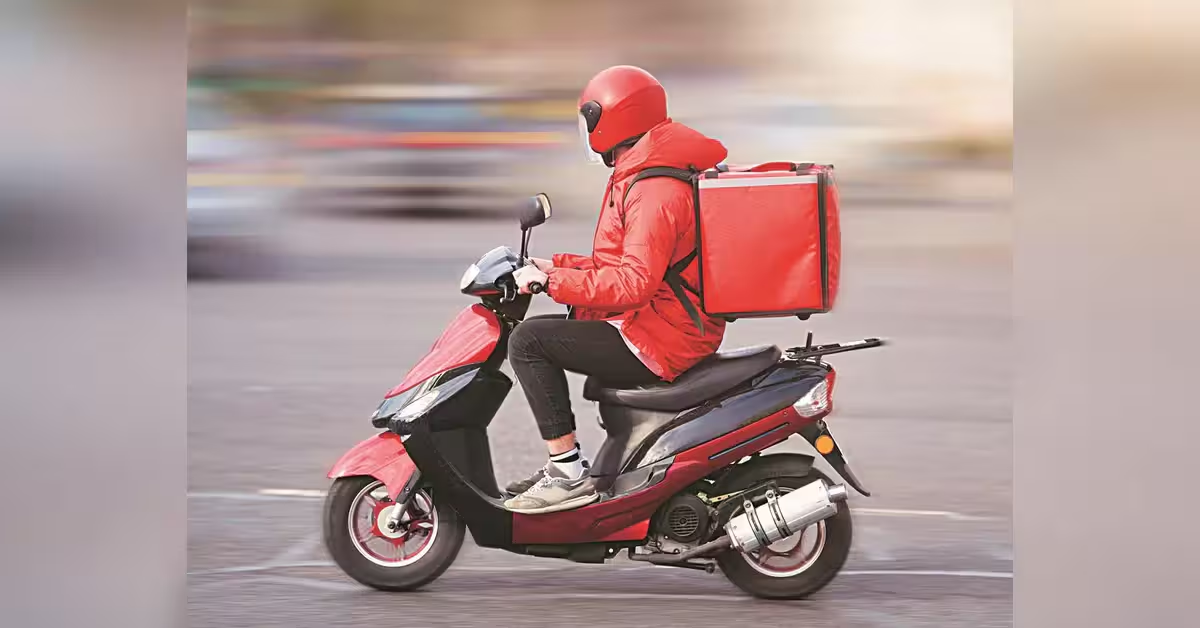

Platform workers in India face high exposure to workplace safety risks but have limited access to insurance, safety training, and mechanisms to report concerns, according to a nationwide survey by labour rights organisation Janpahal and gig workers’ body Gig Workers Association (GigWA) released on Thursday.
Extreme heat emerged as one of the most widespread risks. Among the 778 workers who reported working in extreme weather, 96.57 per cent said heat affected their ability to work, while 75.5 per cent reported a moderate-to-severe impact on their productivity and safety. Heat-related health problems included exhaustion, dehydration, and severe overheating.
Despite the risks, 62.2 per cent of the workers surveyed did not have health insurance and 44.2 per cent did not have accident insurance. Among workers who had attempted to make an accident insurance claim, more than 80 per cent found the process difficult. The findings are from a nationwide survey of 1,000 platform workers across 10 cities conducted by Janpahal.
“These findings suggest that responsibility for managing occupational risk is largely individualised, with limited institutional support from platforms or effective linkage to social security mechanisms,” the report said.
The survey also found that 59.3 per cent of workers received no safety training or resources from their platforms, while another 23.4 per cent said the training provided was insufficient. Only 7.5 per cent said they received comprehensive safety training or resources.
The report also found that 50 per cent of respondents were not registered on the e-Shram portal, the government’s database of unorganised workers that is intended to facilitate access to welfare and social security benefits.
“A substantial section of platform workers, therefore, are missing out on formal recognition and access to crucial social security benefits, such as health insurance under the Pradhan Mantri Jan Arogya Yojana (PMJAY) and accident insurance under the PM Suraksha Bima Yojana (PMSBY). Beyond these, non-registration also limits access to a wider range of protections envisioned under the Code on Social Security, 2020, which now explicitly includes gig and platform workers within its ambit,” the report noted.
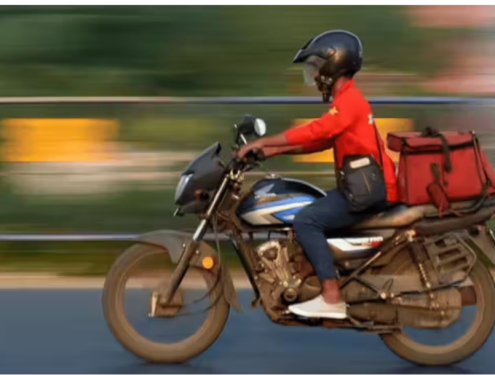
Road safety was a major source of risk for workers. Among those who reported experiencing safety incidents, 62.2 per cent had experienced a near-miss with a vehicle, while 38 per cent reported injuries due to road conditions and 27.5 per cent reported traffic accidents. About 66.4 per cent of respondents used their own scooter or motorcycle for work.
The risks are compounded by long working hours with more than 57 per cent of respondents working for over 49 hours a week, including 23.4 per cent who worked for more than 70 hours. The survey also found that platform work is a long-term source of livelihood for many, with 72.3 per cent having worked in the sector for more than a year and 18.4 per cent for more than five years.
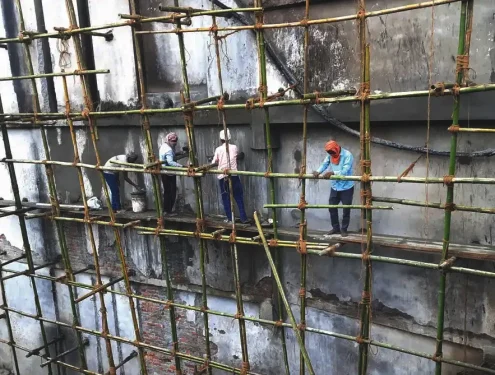
The report called for occupational safety and health protections to be extended to platform workers, with platforms made responsible for identifying and mitigating risks associated with the work. It recommended that roads, public spaces and customer premises be formally recognised as workplaces, given that much of platform work takes place outside conventional establishments.
It also called for stronger protection against accidents and other occupational risks, including standardised and accessible insurance products for platform workers.
Heat should be recognised as an occupational hazard for platform workers, the report said, recommending measures such as work-rest cycles, paid cooling breaks, app-based alerts during extreme weather and suspension of penalties when workers stop or reduce work because of unsafe heat conditions.
The report also called on urban local bodies to ensure platform workers have access to basic amenities such as drinking water, toilets and shaded or designated rest areas.